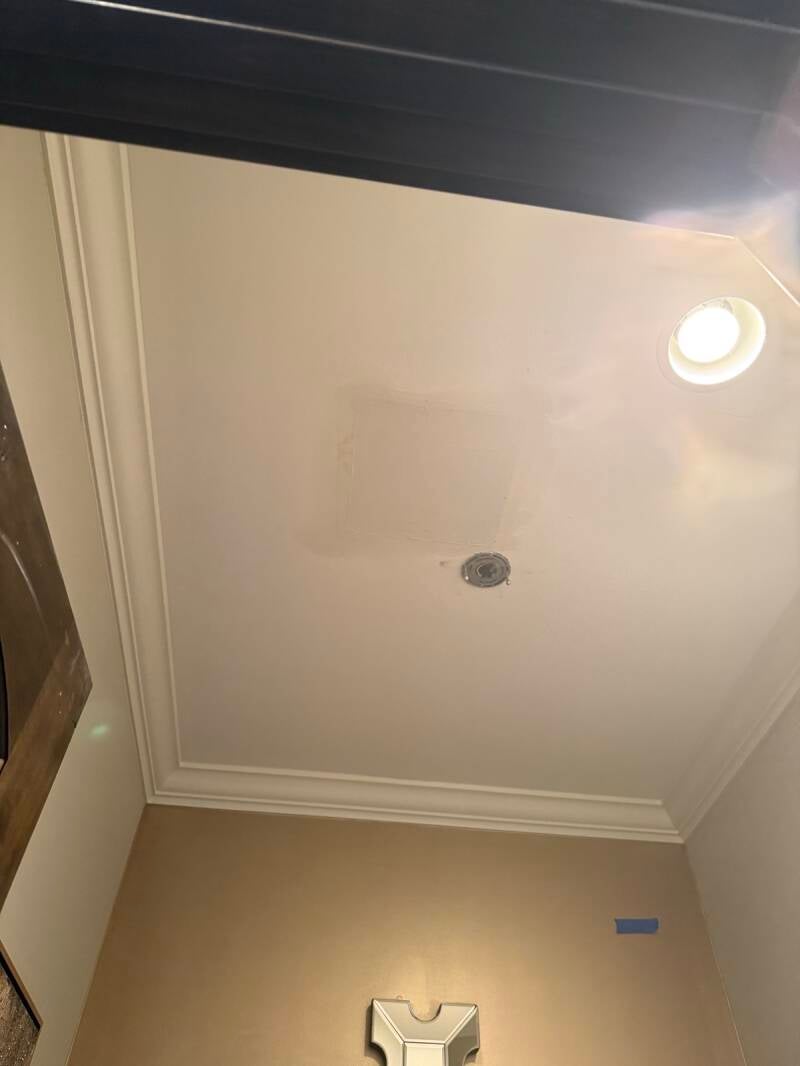
Loose Baseboards and Quarter-Round Gaps: An Early-Fall Trim Check for Middle Georgia Homes
A baseboard that pulls away from the wall, quarter-round that lifts at a corner, or a trim joint that opens after summer can make a finished room look worn and may create a snag or trip point. In Middle Georgia homes, humidity changes, floor movement, loose fasteners, moisture, and everyday impacts from vacuums or furniture can all affect low wall trim.
Little R&R Build and Repair helps homeowners, landlords, and small businesses in Perry, Warner Robins, Fort Valley, Byron, Kathleen, Bonaire, and nearby communities handle practical carpentry, flooring, and home-repair punch lists. An early-fall trim check can separate a simple fastening or caulk issue from damage that needs attention before cosmetic work begins.
Walk the room in good light
Inspect baseboards, shoe molding, quarter-round, door casing bottoms, and transitions without pulling on loose pieces. Keep children and pets away from exposed nails or sharp edges. Look for:
- Trim that bows away from the wall or floor
- Open corners, separated scarf joints, or gaps beside door casing
- Raised ends that catch socks, shoes, vacuum heads, or pet paws
- Protruding finish nails, cracked caulk, chipped paint, or split wood
- Swollen fiberboard, peeling finish, staining, softness, or musty odor
- New gaps beside flooring transitions or areas that feel soft underfoot
Photograph each problem before moving furniture. A wide room view plus close photos of the gap, nearby floor, and adjoining wall help show whether several symptoms may share one cause.
Check for moisture before fastening trim
Loose trim near a bathroom, exterior door, kitchen, laundry area, or plumbing wall deserves a moisture check. Staining, swelling, crumbling material, rusted fasteners, or recurring odor may indicate a leak, condensation, or past water intrusion. Reattaching trim over damp or deteriorated material can hide the warning signs without producing a dependable repair.
If the area is wet or the source is active, protect belongings and address the moisture source first. Trim, drywall, subfloor, and flooring may need to dry or be evaluated before finish work continues.
Do not drive exposed nails back blindly
A protruding nail can be sharp, but striking it without knowing what is behind the trim can damage the finish, miss sound backing, or affect concealed utilities. Nail length, location, angle, and wall construction matter. Repeatedly fastening into a failed hole may not hold.
Secure loose trim using a method suited to the material and supporting surface. Delicate profiles, medium-density fiberboard, hardwood, plaster walls, and drywall over framing do not all behave the same way. Split, swollen, or badly damaged pieces may need replacement rather than another fastener.
Understand movement and expansion gaps
Some flooring systems require perimeter expansion space that is intentionally covered by baseboard or shoe molding. Filling or fastening through the wrong area can restrict movement and create buckling, squeaks, or new gaps. Do not assume every visible space should be packed with caulk or filler.
Check whether the trim is attached to the wall, floor, cabinetry, or another trim piece, and follow the flooring manufacturer’s requirements when known. If a floor edge is lifting, soft, or moving, investigate that condition before treating the trim as the only problem.
Match caulk and finish work to the joint
Paintable caulk can help finish appropriate small joints between painted trim and a wall, but it should not be used to bridge large movement, conceal moisture damage, or glue a loose board in place. Old loose caulk may need careful removal before the joint is cleaned, secured, and refinished.
Matching existing paint or stain can be harder than it appears because finishes fade, sheen changes, and older products may not blend cleanly. Test touch-up material in an inconspicuous area and protect flooring and nearby surfaces during preparation.
Watch doorways, stairs, and walking paths
Loose quarter-round and transition trim near doors, halls, stairs, and room changes can become a trip or snag hazard. Keep the area clear and avoid temporary fixes that leave tape, adhesive residue, sharp edges, or raised material in the walking path.
Trim along stairs, landings, guard systems, or required clearances may be part of a larger safety condition. If movement accompanies a loose tread, railing, wall, or floor, arrange a broader evaluation instead of treating the molding alone.
Prepare useful details for an estimate
Take one wide photo of each affected room and close photos of loose sections, corners, fasteners, stains, and nearby flooring. Include the property city, approximate linear footage, trim material if known, paint or stain finish, and whether matching material is available.
List related work such as drywall patches, door adjustments, flooring transitions, cabinet toe-kick repairs, or paint preparation. Grouping related carpentry and flooring details can make the scope clearer and the service visit more efficient.
Get help with trim, flooring edges, and small repairs
Little R&R Build and Repair provides practical carpentry services, flooring installation and repair help, home repair services, and home maintenance help throughout our Middle Georgia service area. Review our scheduling and estimate FAQs before requesting service.
If baseboard is pulling loose, quarter-round is creating a snag, or moisture has damaged trim near a wall or doorway, call (478) 352-1188 or request an estimate through the website. Correcting the cause, fastening, and finish together helps the repair look better and last longer.
Loose Window Screens and Damaged Frames: An Early-Fall Pest Check for Middle Georgia Homes
A window screen that bows away from the frame, rattles in its track, or has a small tear can let mosquitoes, gnats, and other pests indoors just as Middle Georgia homeowners begin opening windows on cooler early-fall mornings. Summer heat, storms, pets, yard work, and repeated removal can stretch mesh, bend lightweight frames, loosen spline, or damage the window components that hold a screen in place.
Little R&R Build and Repair helps homeowners, landlords, and small businesses in Perry, Warner Robins, Fort Valley, Byron, Kathleen, Bonaire, and nearby communities handle practical home-repair and maintenance punch lists. A careful screen check can catch a small opening before it grows, while also revealing frame, trim, drainage, or moisture concerns that should be addressed separately.
Inspect each screen without leaning on it
Work from a stable floor or ladder position, keep children and pets away from open windows, and never use a screen as a fall barrier. Screens are designed for insects, not impact protection. Look for:
- Tears, punctures, frayed edges, or mesh pulling out of the spline channel
- A frame that is bowed, twisted, cracked, or separating at a corner
- Missing pull tabs, spring clips, plungers, or retaining hardware
- A screen that rattles, falls inward, or will not seat fully in its track
- Gaps between the screen frame and window opening
- Peeling paint, soft trim, staining, or insect damage around the window
If a screen is above ground level or the window opening creates a fall risk, keep the window closed until the screen and any required window guard or safety hardware can be evaluated. Replacing insect mesh does not create fall protection.
Determine whether the mesh or frame failed
A small mesh puncture may be repairable, but stretched material, several tears, brittle mesh, or a loose perimeter often makes complete rescreening more dependable. If the aluminum, vinyl, wood, or composite frame is bent or cracked, new mesh alone may not sit flat or stay tensioned.
Measure the complete screen and note its thickness, corner style, spline size, hardware locations, and how it enters the opening. Window screens that look alike may use different profiles and retention systems, so save labels and photograph the original orientation before removing parts.
Avoid over-tensioning replacement mesh
New mesh should be smooth and secure without pulling the frame out of square. Excessive tension can bow lightweight rails, separate corners, or make the screen difficult to reinstall. Too little tension leaves wrinkles and can allow the edge to work loose.
Use mesh and spline that match the frame and application. Pet-resistant, solar, pollen-reducing, and standard fiberglass or aluminum products differ in thickness, airflow, visibility, and installation requirements. Follow the product and window manufacturer instructions rather than forcing oversized spline into a narrow channel.
Check the window track and drainage path
Dirt, paint, bent metal, loose fasteners, or debris in the track can keep a screen from seating correctly. Clean accessible loose debris gently and confirm that the window operates and locks normally. Do not drill new drain holes or seal factory openings without identifying their purpose.
Many windows use weep paths to direct rainwater outdoors. Caulk, paint, mulch, or debris can interfere with drainage, but an unexplained wet sill, recurring staining, or water inside the wall may point to a larger flashing, seal, siding, or window problem rather than a screen issue.
Inspect nearby trim before reinstalling the screen
Check exterior casing, sill surfaces, joints, and lower corners for open gaps, peeling finish, softness, swelling, or discoloration. A screen can hide deterioration, and fastening a replacement into damaged material will not restore the surrounding window assembly.
Do not cover soft wood or active moisture with caulk. Find and correct the water source, replace unsound material as appropriate, and preserve the window’s intended drainage. If the glass, sash, lock, or structural opening is damaged, keep the area secure and arrange the appropriate repair.
Use safe ventilation practices
Confirm that operable windows open, close, and lock as intended. Keep furniture and climbable objects away from windows used around young children, and follow current safety guidance for guards, stops, and emergency-escape openings. Do not block a required egress window with permanent shelving, fasteners, or a screen that cannot be removed as designed.
For rental properties, bedrooms, upper floors, and specialty windows, verify the applicable safety and egress requirements before changing hardware. An insect screen is not a substitute for a guard, lock, or code-required safety device.
Prepare useful details for an estimate
Take one wide photo of each window and close photos of torn mesh, frame corners, spline channels, clips, tracks, and surrounding trim. Include the property city, approximate screen dimensions, frame material and color, number of affected windows, and whether the screen is missing, loose, torn, or difficult to install.
Note related items such as sticking sashes, loose locks, trim damage, failed caulk joints, drywall staining, or another exterior-maintenance concern. Grouping related window and trim work can make the scope clearer and the service visit more efficient.
Get help with window-screen and trim repairs
Little R&R Build and Repair provides practical home repair services, home maintenance help, and carpentry services throughout our Middle Georgia service area. Review our scheduling and estimate FAQs before requesting service.
If a screen is torn, a frame will not stay in place, or surrounding trim shows damage, call (478) 352-1188 or request an estimate through the website. Correct measurements, compatible materials, and attention to nearby drainage and trim can help the repaired opening perform properly.
Loose Closet Shelves and Sagging Rods: An Early-Fall Storage Check for Middle Georgia Homes
A closet rod that bows in the middle, a shelf that pulls away from the wall, or a bracket that rocks under normal use can turn everyday storage into a safety and repair problem. After a humid Middle Georgia summer, heavy loads, loose fasteners, worn anchors, and repeated use may leave bedroom, pantry, laundry, and utility-closet components less secure than they appear.
Little R&R Build and Repair helps homeowners, landlords, and small businesses in Perry, Warner Robins, Fort Valley, Byron, Kathleen, Bonaire, and nearby communities handle practical carpentry and home-repair punch lists. An early-fall closet check can catch a small support problem before a shelf falls, a rod tears loose, or the surrounding drywall and trim suffer more damage.
Unload the area before testing it
If a shelf or rod is visibly sagging, leaning, or separating from the wall, remove stored items carefully before touching the hardware. Keep children and pets clear, and use a stable step stool rather than climbing on a chair. Look for:
- A rod that bows, rotates, or slips out of an end socket
- A shelf that tilts forward, sags between supports, or moves when lightly pressed
- Brackets, cleats, or vertical standards pulling away from the wall
- Loose screws, missing anchors, enlarged holes, or torn drywall paper
- Split wood, cracked laminate, bent wire shelving, or broken plastic clips
- Staining, swelling, rust, mildew, or a musty odor near an exterior or plumbing wall
Do not keep loading a damaged assembly to see how much it will hold. A support can fail suddenly, and falling shelves or stored items can injure someone and enlarge the wall damage.
Identify the shelf and support system
Closets may use wood cleats, fixed brackets, adjustable standards, wire shelving, built-in cabinetry, or a combination of parts. Each system has its own spacing, fasteners, load limits, and installation requirements. Photograph labels and connector shapes before buying replacements, because parts that look similar may not lock together correctly.
Check where the rod and shelf transfer weight to the wall. A center support that has shifted, an end socket fastened only to thin material, or a shelf spanning farther than its design allows can cause repeated sagging even after a visible screw is tightened.
Do not rely on a larger screw alone
A screw that spins without tightening usually indicates a failed anchor, damaged mounting material, or a missed framing member. Repeatedly installing wider or longer screws can weaken drywall, split a wood cleat, or reach concealed wiring, plumbing, or ductwork. The repair should match the wall construction and the load the system is expected to carry.
Where possible, secure supports to suitable framing or properly installed backing. Hollow-wall fastening methods vary by product and wall condition, and their ratings depend on correct installation. Damaged drywall may need repair before a new anchor can hold dependably.
Check the load and support spacing
Closet failures often begin gradually as more clothing, storage bins, books, tools, or household supplies are added. Spread weight evenly and keep especially heavy items on lower shelves or the floor when appropriate. Do not assume that a shelf is safe simply because it has held the same load for months.
Measure the rod length, shelf depth, distance between supports, and the location of wall studs when known. A long rod may need a compatible center support, while a wide shelf may require additional brackets or a stiffer material. Follow the system manufacturer’s instructions rather than improvising a load rating.
Look for moisture before rebuilding
Closets can hide moisture because airflow is limited and stored items cover the wall. Check exterior-wall closets, laundry storage, pantries near plumbing, and spaces below bathrooms for staining, soft drywall, swollen shelving, peeling paint, rusted fasteners, or persistent odor.
If materials are damp or the source is active, remove vulnerable belongings and address the leak or moisture source first. Replacing a shelf over wet or unsound material can hide the warning signs while leaving the new supports unable to hold securely.
Plan the layout around safe access
A repair is a good time to confirm that shelves, rods, and hooks fit the way the closet is actually used. Keep heavy items within comfortable reach, preserve access to electrical panels, plumbing shutoffs, attic openings, and equipment, and avoid installing storage where it blocks ventilation or required clearance.
For children’s rooms, secure storage components and furniture according to their instructions, and keep climbable arrangements and heavy overhead items in mind. Ordinary closet shelving is not a grab bar or climbing support.
Prepare useful details for an estimate
Take one wide photo of the complete closet and close photos of each loose bracket, damaged wall area, rod socket, shelf edge, and existing support. Include the property city, closet dimensions, wall and shelf materials, approximate load, and whether you want the existing system repaired or a different layout installed.
List nearby work such as drywall patches, trim gaps, door adjustments, paint preparation, or additional shelving. Grouping related carpentry and wall repairs can make the scope clearer and the service visit more efficient.
Get help with closet shelving and small carpentry repairs
Little R&R Build and Repair provides practical carpentry services, home repair services, and home maintenance help throughout our Middle Georgia service area. Review our scheduling and estimate FAQs before requesting service.
If a closet shelf is pulling loose, a rod is sagging, or storage hardware has damaged the wall, call (478) 352-1188 or request an estimate through the website. Correct supports, suitable fastening, and sensible load planning can help the repaired system stay secure.
Loose Door Knobs and Misaligned Latches: An Early-Fall Interior Door Check for Middle Georgia Homes
An interior door knob that wiggles, a lever that droops, or a latch that only catches after the door is lifted can turn an everyday doorway into a recurring frustration. After a hot, humid Middle Georgia summer, repeated use, loose fasteners, worn hardware, and seasonal movement may leave bedroom, bathroom, closet, and hallway doors working poorly.
Little R&R Build and Repair helps homeowners, landlords, and small businesses in Perry, Warner Robins, Fort Valley, Byron, Kathleen, Bonaire, and nearby communities handle practical carpentry and home-repair punch lists. An early-fall door check can catch a small hardware or alignment issue before it damages the door edge, frame, or surrounding trim.
Test the door without forcing it
Open and close the door slowly while keeping fingers clear of the hinge side. Turn the knob or lever several times and watch how the latch meets the strike plate. Look for:
- A knob, lever, or trim plate that twists or pulls away from the door
- A latch bolt that sticks, retracts slowly, or does not extend fully
- A door that must be lifted, pushed hard, or slammed to latch
- Scraping along the top, hinge side, latch side, or floor
- Loose hinge screws, uneven gaps, or a door that swings by itself
- Cracks, crushed wood, enlarged screw holes, or peeling finish near the hardware
Do not keep slamming a door that will not latch. Repeated impact can loosen the strike, split the jamb, damage the lockset, and mark nearby walls or trim.
Check the hardware before moving the strike
Loose mounting screws can let the two sides of a knob or lever shift out of alignment. Tighten only enough to secure the hardware; overtightening can bind the latch mechanism, strip a screw, or crush a hollow-core door skin. If the handle remains loose, the internal parts or mounting holes may be worn.
Operate the latch with the door open. If it still sticks, the lockset may need cleaning, adjustment, or replacement according to its manufacturer. If it works freely when open but misses the strike when closed, inspect door alignment before enlarging or relocating the strike opening.
Inspect hinges and the door reveal
Stand back and compare the gap around the door. A wider gap at one corner, hinge movement, or rubbing at the top latch-side corner can point to loose screws or a sagging door. Confirm that hinge leaves sit flat and that the jamb is not split around the fasteners.
A longer screw is not automatically the right repair. Wiring, plumbing, and framing conditions vary, and oversized fasteners can damage the hinge or surrounding material. Repeatedly tightening a screw in a failed hole usually makes the connection weaker rather than correcting the cause.
Look for humidity and moisture clues
Wood doors and frames can change slightly as indoor humidity shifts. Swelling may cause seasonal rubbing, but staining, softness, bubbling paint, or a musty odor can indicate a moisture problem that needs attention before the door is trimmed or refinished.
Check bathroom, laundry, utility-room, and exterior-adjacent doorways carefully. If a door recently began sticking, note whether the problem changes after rain, during air-conditioning cycles, or at different times of day. That pattern can help distinguish ordinary hardware wear from movement or moisture.
Keep privacy and safety functions working
Bathroom and bedroom privacy locks should latch predictably and release as designed. Keep the manufacturer’s emergency-release method accessible, and do not install an unfamiliar lockset without confirming the door thickness, backset, handing, and intended use.
For doors serving a garage, exterior, utility area, or other location with special fire, security, or egress requirements, preserve the required door and hardware function. Do not disable a closer, latch, or rated assembly to make the door easier to operate; arrange the appropriate evaluation instead.
Prepare useful details for an estimate
Take one wide photo of the complete doorway and close photos of the knob or lever, latch edge, strike plate, hinges, and any damaged trim. Include the property city, door material, approximate thickness, hardware brand if visible, and whether the problem changes with weather or humidity.
Note whether the door rubs, swings on its own, will not latch, locks poorly, or has visible frame damage. Add nearby items such as loose casing, wall dents, baseboard gaps, or another problem door to the same punch list so related work can be evaluated together.
Get help with interior-door and hardware repairs
Little R&R Build and Repair provides practical carpentry services, home repair services, and home maintenance help throughout our Middle Georgia service area. Review our scheduling and estimate FAQs before requesting service.
If a knob is loose, a latch will not catch, or an interior door is rubbing its frame, call (478) 352-1188 or request an estimate through the website. Correcting the hardware and alignment together can help the door operate smoothly without repeated damage.
Storm Doors That Slam or Won’t Latch: An Early-Fall Entry Check for Middle Georgia Homes
A storm door that slams, drifts open, scrapes the frame, or refuses to latch can make a busy entrance frustrating and unsafe. After a hot, humid Middle Georgia summer, loose fasteners, worn closer hardware, seasonal movement, and repeated use may leave the door out of alignment.
Little R&R Build and Repair helps homeowners, landlords, and small businesses in Perry, Warner Robins, Fort Valley, Byron, Kathleen, Bonaire, and nearby communities handle practical carpentry and home-repair punch lists. An early-fall entry check can catch a small adjustment before the door damages its frame, glass, screen, or nearby trim.
Watch how the door moves
Open and close the storm door slowly while keeping hands clear of hinges and pinch points. Do not force a door that binds or allow children and pets to stand in its swing path. Look and listen for:
- A closer that lets the door slam or stops it before the latch reaches the strike
- A door that drifts open, rebounds, or closes at an uneven speed
- Scraping at the threshold, hinge side, or top of the frame
- A latch that misses the strike plate or requires lifting the handle
- Loose hinge screws, a sagging panel, or movement in the mounting rail
- A bent closer rod, cracked bracket, torn fastener hole, or missing pin
- Rattling glass, a loose screen insert, or damaged weatherstripping
If the glass, frame, or closer bracket appears unstable, stop operating the door until it can be evaluated. A wind gust can turn a loose storm door into a much larger repair.
Check the closer and its brackets
Many storm doors use a pneumatic or hydraulic closer attached to the door and jamb with small brackets and pins. Confirm that the pins are fully seated, the brackets are tight, and the mounting surface is not split or enlarged around the screws. The hold-open washer should move freely and should not be used to compensate for damaged hardware.
Some closers have a speed-adjustment screw, but turning it too far may damage the unit or release internal fluid. Follow the door or closer manufacturer’s directions. If the rod is bent, the cylinder leaks, or the bracket repeatedly pulls loose, replacement or mounting-surface repair may be more appropriate than another adjustment.
Inspect alignment before moving the strike
A latch problem does not always begin at the strike plate. Check whether the reveal around the door is reasonably even and whether the panel remains square in the frame. Loose hinges, a sagging mounting rail, frame movement, debris at the threshold, or swollen material can all shift the latch out of position.
Avoid repeatedly enlarging screw holes or moving the strike without finding the cause. New holes placed too close to old ones may weaken thin aluminum, vinyl, or wood components. If the entry frame is split, soft, or pulling away from the house, repair the supporting material before relying on a new fastener location.
Look for moisture and wood damage
Storm doors protect an entry, but they can also trap heat and moisture between the storm panel and the main door. Check the jamb, brick mould, threshold, and lower corners for peeling paint, discoloration, softness, swelling, rust, open caulk joints, or insect damage.
Do not cover active moisture damage with caulk or a larger screw. Determine whether water is entering around the trim, threshold, roofline, or door assembly. Unsound wood may need repair before closer, hinge, or latch hardware can hold securely.
Check the sweep, threshold, and weatherstripping
A worn or poorly positioned sweep can drag on the threshold, while a missing seal can allow drafts, insects, and wind-driven rain around the door. Inspect the bottom sweep, side seals, and top weatherstripping for tears, gaps, brittleness, or sections that have pulled free.
The door should clear the threshold without leaving a large opening underneath. Before trimming or replacing parts, identify the storm-door brand and model when possible. Sweep profiles, mounting rails, closers, handles, and latch parts vary, and a visually similar replacement may not fit the existing system.
Protect the entry from wind damage
Do not rely on the closer alone to restrain a door during strong wind. Keep the door latched when not in use, and avoid using a loose hold-open mechanism on a gusty day. Check that the safety chain or wind-control hardware, if the manufacturer specifies one, is intact and mounted as directed.
If a door has already been caught by wind, inspect both closer brackets, hinge fasteners, the mounting rail, handle set, glass or screen insert, and surrounding trim. Damage may be spread across the assembly even when the original loose part looks small.
Prepare useful details for an estimate
Take one wide photo of the complete entry and close photos of the hinges, closer, latch, strike, threshold, and any damaged trim. Include the property city, door material, approximate size, brand or label, and whether the problem changes with temperature, rain, or wind.
Describe whether the door slams, drags, will not latch, or has visible frame damage. Add related items such as loose exterior trim, damaged weatherstripping, a sticking main door, or peeling paint to the same punch list so the entry can be evaluated as a system.
Get help with storm-door and entry repairs
Little R&R Build and Repair provides practical carpentry services, home repair services, and home maintenance help throughout our Middle Georgia service area. Review our scheduling and estimate FAQs before requesting service.
If a storm door slams, will not latch, drags on the threshold, or has pulled hardware from the frame, call (478) 352-1188 or request an estimate through the website. Correcting alignment and repairing the mounting surface can help the door close more safely and protect the surrounding entry.
Loose Towel Bars and Bathroom Hardware: An Early-Fall Wall Check for Middle Georgia Homes
A towel bar that twists, a toilet-paper holder that pulls away from the wall, or a robe hook that will not stay tight may look like a minor annoyance. In a frequently used bathroom, however, loose hardware can enlarge a wall opening, tear drywall paper, damage tile, or fall without warning.
Little R&R Build and Repair helps homeowners, landlords, and small businesses in Perry, Warner Robins, Fort Valley, Byron, Kathleen, Bonaire, and nearby communities handle practical home-repair and maintenance punch lists. An early-fall hardware check is a simple way to find small mounting problems after a busy, humid Middle Georgia summer.
Check each wall-mounted accessory gently
Use light hand pressure rather than pulling hard on the fixture. Check towel bars, towel rings, toilet-paper holders, robe hooks, shelves, mirrors, and other bathroom accessories. Look for:
- A bracket that rocks, rotates, or separates from the wall
- Loose set screws, missing trim plates, or bent mounting hardware
- Cracked grout, chipped tile, torn drywall paper, or enlarged screw holes
- Rust marks, staining, swelling, softness, or peeling paint
- A bar or shelf that is no longer level
- Movement that returns soon after the visible screw is tightened
Do not hang body weight on a towel bar or ordinary accessory to test it. Unless a product is specifically designed and installed as a safety grab bar, it should not be treated as one.
Identify the wall surface and mounting method
Drywall, wood backing, tile, masonry, and hollow wall cavities require different fasteners and installation methods. A screw driven into solid framing or properly installed blocking behaves differently from an anchor placed in hollow drywall. Tile also requires careful layout and drilling to avoid cracks and concealed utilities.
Remove no more trim than necessary to understand the mounting plate. Save the screws, anchors, and small set screws if a fixture comes loose. The original pieces can help identify why the connection failed and whether the accessory can be reinstalled or should be replaced.
Do not keep tightening a failed anchor
If a bracket keeps moving, repeated tightening may strip the hole further, crush the wall surface, or crack nearby tile. A loose connection may need a different anchor, a repaired mounting area, a shift to solid framing, or backing added during a larger wall repair.
A quick oversized screw is not always the answer. Plumbing supply lines, drain vents, wiring, and other concealed components can run behind bathroom walls. Fastener length and location should be chosen with the wall construction and nearby fixtures in mind.
Check for moisture before repairing the wall
Bathrooms regularly experience splashes and high humidity. Staining, soft drywall, swollen trim, bubbling paint, recurring rust, a musty odor, or an open caulk joint can indicate moisture rather than a simple loose anchor. Check around the sink, tub, shower, toilet, and plumbing penetrations without opening walls unnecessarily.
If moisture is active, widespread, or near electrical equipment, limit use as appropriate and contact the qualified trade needed for the source. Let damp materials dry and replace unsound material before relying on a cosmetic patch or new anchor.
Separate accessories from safety grab bars
A decorative towel bar is not a substitute for a properly rated grab bar. Safety rails need suitable placement, fasteners, backing, and installation that follow the product requirements and the needs of the user. Do not assume an existing bar is secure because its trim plate hides the fasteners.
If a household member needs support near a toilet, tub, or shower, treat that as a separate safety project. Record the desired locations and wall surfaces, keep product documentation, and arrange an appropriate evaluation rather than converting an ordinary accessory by appearance alone.
Plan the repair and finish work together
A durable repair may involve removing failed anchors, stabilizing or patching the wall surface, allowing compound or adhesive to cure, priming and painting the repair, and then mounting the accessory in a sound location. On tile, replacement may require matching hardware or changing the bracket layout while protecting the finished surface.
Combine related items such as small drywall holes, peeling paint, loose baseboards, damaged caulk, cabinet adjustments, or a sticking door into one punch list. Grouping nearby work can make an estimate and service visit more efficient.
Prepare useful details for an estimate
Take one wide photo showing the accessory and nearby fixtures, plus close photos of the bracket, wall damage, and any loose hardware. Include the property city, the wall surface, the approximate accessory size, whether the fixture is still usable, and whether there are moisture signs or known plumbing behind the wall.
Note whether you want the same item reinstalled or a replacement mounted, and keep any manufacturer instructions or spare parts. Clear photos help determine whether the likely work is a fastening adjustment, drywall repair, hardware replacement, or a larger moisture-related repair.
Get help with bathroom hardware and wall repairs
Little R&R Build and Repair provides practical home repair services, home maintenance help, and wall-mounting help throughout our Middle Georgia service area. Review our scheduling and estimate FAQs before requesting service.
If a towel bar is pulling out, a bathroom shelf will not stay level, or the wall around a fixture is damaged, call (478) 352-1188 or request an estimate through the website. Correcting the mounting surface and using a suitable attachment can help prevent repeated wall damage.
Cracked Tub and Sink Caulk: An Early-Fall Moisture Check for Middle Georgia Homes
Caulk around a tub, shower, sink, or backsplash is a small detail with an important job: it helps keep water out of joints that are difficult to dry. After a hot, humid Middle Georgia summer, normal movement, frequent use, cleaning products, and aging sealant can leave caulk split, loose, stained, or separated from the surface.
Little R&R Build and Repair helps homeowners, landlords, and small businesses in Perry, Warner Robins, Fort Valley, Byron, Kathleen, Bonaire, and nearby communities handle practical home-repair and maintenance punch lists. An early-fall moisture check can help identify a failed joint before repeated splashes damage trim, cabinets, drywall, or flooring.
Inspect the joints that receive regular water
Use good lighting and check the full length of each joint without pulling aggressively on the sealant. Pay particular attention to tub rims, shower corners, sink backsplashes, countertop edges, and places where fixtures meet a wall. Look for:
- Cracks, gaps, pinholes, or caulk pulling away from either surface
- Sections that feel loose, brittle, unusually soft, or gummy
- Dark staining that returns after ordinary cleaning
- Swollen trim, peeling paint, soft drywall, or damaged cabinet material
- Loose tiles, open grout joints, or movement at a countertop or sink
- Water collecting where the joint should drain or dry
Do not keep soaking a visibly open joint to test it. Dry the area, limit water exposure, and arrange an evaluation if water may be reaching the wall, floor, or cabinet below.
Find the moisture source before resealing
Failed caulk may be the only problem, but it can also be a symptom. Check for a dripping faucet, leaking supply or drain connection, shower spray escaping a door or curtain, standing water, loose fixture, or movement between materials. A new bead of caulk will not correct an active plumbing leak or a surface that continues to shift.
Look below sinks and around the outside of tubs and showers for dampness, staining, musty odor, softened material, or peeling finish. If moisture is active, widespread, or near electrical components, stop using the area as appropriate and contact the qualified trade needed for the source.
Know the difference between caulk and grout
Grout fills joints between many tile surfaces, while flexible sealant is commonly used where materials meet or planes change, such as an inside corner or the joint between a tub and tile. Substituting one for the other without considering movement and manufacturer guidance can lead to another failure.
A few open joints may be a focused maintenance item. Loose tile, widespread cracked grout, wall movement, or a soft backing surface can indicate a broader repair. Address damaged supporting material before applying a cosmetic finish over it.
Prepare the surface carefully
Successful resealing depends on clean, dry, stable surfaces. Old loose sealant and residue generally need to be removed without scratching the tub, tile, countertop, or sink. The joint then needs enough drying time before a compatible kitchen-and-bath product is installed.
Avoid layering new caulk over a failing bead. The new material may adhere to the old caulk instead of the surfaces that need to be sealed. Also avoid mixing products or using an unknown sealant where cure time, paintability, mildew resistance, and material compatibility matter.
Protect the area while the repair cures
Keep the joint dry for the product's specified cure period and prevent children, pets, cleaning tools, and stored items from touching it. Ventilate the room according to product directions. Do not assume that a surface skin means the sealant is fully cured.
After the repair, watch the surrounding area during normal use. Water should drain as intended, and the joint should remain attached without new gaps. Recurring separation may point to movement, a loose fixture, poor surface preparation, or moisture that still needs attention.
Prepare useful details for an estimate
Take one wide photo showing the tub, shower, sink, or counter and close photos of the failed joint and any nearby damage. Include the property city, the approximate length of the affected area, how long the problem has been visible, and whether there is active dripping, staining, odor, soft material, or access from below.
List nearby punch-list items such as loose trim, small drywall damage, cabinet adjustments, or flooring-edge concerns. Grouping related repairs can make an estimate and service visit more efficient.
Get help with caulk, trim, and moisture-related punch-list repairs
Little R&R Build and Repair provides practical home repair services, home maintenance help, and carpentry repairs throughout our Middle Georgia service area. Review our scheduling and estimate FAQs before requesting service.
If caulk has separated, nearby trim or drywall is damaged, or a wet-area joint will not stay sealed, call (478) 352-1188 or request an estimate through the website. Finding the moisture source and preparing the joint correctly can help protect the surrounding finishes from repeated water exposure.
Sliding Closet Doors Off Track: An Early-Fall Repair Check for Middle Georgia Homes
A sliding closet door that scrapes, jumps its track, or refuses to stay aligned can turn a simple storage space into a daily annoyance. After a humid Middle Georgia summer, normal house movement, worn rollers, loose guides, and repeated use can make bypass or bifold closet doors harder to operate.
Little R&R Build and Repair helps homeowners, landlords, and small businesses in Perry, Warner Robins, Fort Valley, Byron, Kathleen, Bonaire, and nearby communities handle practical carpentry and home-repair punch lists. An early-fall check can help identify a small adjustment before a door falls, damages the flooring, or pulls hardware from the frame.
Start with a safe visual check
Move the door slowly without forcing it. Keep hands clear of pinch points and stop if the panel feels unstable or begins to leave the track. Look for:
- A door that leans, overlaps unevenly, or swings at the bottom
- Rollers that bind, wobble, or jump out of the upper track
- A loose, bent, or missing floor guide
- Screws pulling out of the jamb, header, or door edge
- A track that is bent, dirty, or separating from its mounting surface
- Scrapes on the flooring or fresh wear along the door edge
Large mirrored panels and heavy solid doors can cause injury if they fall. Do not remove one alone or keep operating a door that will not remain captured by its track and guide.
Identify the door and hardware style
Bypass doors slide past one another on parallel tracks. Bifold doors pivot and fold toward one side. Pocket doors disappear into the wall and use hardware that is partly concealed. Each style has different adjustment points, clearances, and replacement parts.
Take clear photos of the complete opening, the upper track, lower guide, rollers or pivots, and any manufacturer markings. Save loose screws and hardware. Matching the existing track profile, roller diameter, bracket style, and door thickness is more reliable than choosing a generic part by appearance alone.
Check the track, guide, and mounting surface
Dirt and small objects can interrupt smooth travel, but repeated derailment usually deserves more than a quick cleaning. Confirm that the track is straight, firmly mounted, and free of sharp bends. The floor guide should keep the panels aligned without squeezing them or cutting into the door edges.
Loose fasteners may indicate a stripped hole or weak mounting surface. Driving a longer screw without checking behind the frame can damage wiring, plumbing, or finished surfaces. If the header, jamb, or door material is split or soft, repair the supporting material before relying on another adjustment.
Look for seasonal movement and moisture
Wood doors and frames can swell during humid weather, while air-conditioned interiors and changing fall conditions may expose uneven gaps. Check for rubbing at the top, bottom, and sides. Also look for staining, softness, swollen composite material, peeling finish, or musty odor near the closet, exterior wall, bathroom, or laundry area.
Do not trim a door or conceal damage until active moisture and alignment have been evaluated. A door that repeatedly shifts may reflect worn hardware, an out-of-square opening, loose framing, flooring changes, or a guide that was installed in the wrong position.
Protect nearby flooring and contents
Remove stored items from the door path and keep children and pets away while checking the opening. Inspect carpet, laminate, vinyl, tile, or hardwood for scratches and raised edges. A loose bottom guide can damage flooring, while a dragging panel can chip its own edge or strain the upper hardware.
If the closet is part of a larger room update, add loose baseboards, damaged trim, wall holes, shelving concerns, and flooring transitions to the same punch list. Grouping related work can make an estimate and repair visit more efficient.
Prepare useful details for an estimate
Measure the opening width and height, count the panels, and note whether the doors are wood, composite, metal, or mirrored. Describe where the door leaves the track, whether the problem changes with weather, and whether any hardware is missing. Include one wide photo and close views of the upper and lower components.
Do not discard a worn roller, pivot, or guide before replacement hardware is identified. The old part may provide the best reference for size and fit.
Get help with closet-door and carpentry repairs
Little R&R Build and Repair provides practical carpentry services, home repair services, and home maintenance help throughout our Middle Georgia service area. Review our scheduling and estimate FAQs before requesting service.
If a closet door keeps jumping its track, the guide is loose, or a heavy panel feels unsafe, call (478) 352-1188 or request an estimate through the website. Correctly matched hardware and careful alignment can restore smoother operation while protecting the door, frame, and flooring.
Loose Flooring Transitions and Threshold Strips: An Early-Fall Safety Check for Middle Georgia Homes
Flooring transitions are easy to overlook until a strip rocks underfoot, catches a shoe, or leaves a sharp edge exposed. After a humid Middle Georgia summer, normal movement, heavy traffic, cleaning moisture, and worn fasteners can make thresholds and transition pieces loosen between rooms.
Little R&R Build and Repair helps homeowners, landlords, and small businesses in Perry, Warner Robins, Fort Valley, Byron, Kathleen, Bonaire, and nearby communities handle practical flooring and home-repair punch lists. An early-fall walkthrough can help you identify a small transition repair before it becomes a trip hazard or damages the flooring edge.
Check every change in flooring
Walk slowly through doorways and places where one flooring material meets another. Pay particular attention to entrances, kitchens, bathrooms, laundry areas, hallways, and frequently used routes. Look for:
- A transition strip that shifts, flexes, or clicks underfoot
- Raised fasteners, sharp metal edges, or cracked wood trim
- A gap between tile, vinyl, laminate, carpet, or hardwood
- Carpet pulling away from a tack strip or doorway edge
- A threshold that rubs the door or no longer sits flat
- Chipped flooring or swelling near the transition
Keep people from stepping on a visibly loose or sharp section until it can be secured. Tape placed directly on a finished floor can damage some surfaces, so use a freestanding marker or another safe way to identify the area.
Look for movement and moisture
A transition may loosen because a fastener backed out, adhesive failed, or the flooring moved. Swelling, discoloration, softness, musty odor, or a problem near an exterior door, sink, appliance, or bathroom can point to moisture. Correct the moisture source and let affected materials dry before closing the joint.
Floating floors need proper expansion space and should not be pinned down by an improvised fastener. A strip that repeatedly pops loose may be the symptom of an incorrect profile, an uneven substrate, damaged flooring edges, or movement that should be evaluated before another quick reattachment.
Match the transition to the materials
Different conditions call for different profiles. A same-height joint may use a T-molding, while floors at different heights may need a reducer. Carpet-to-hard-surface edges, exterior-door thresholds, and tile transitions each have their own attachment and clearance needs.
Save any loose pieces and hardware rather than discarding them. The existing part can help identify the profile, finish, width, and fastening method. Avoid driving random screws through a transition without checking what lies below, especially where plumbing, wiring, concrete, radiant systems, or a floating floor may be involved.
Test the doorway and nearby floor
Open and close the door slowly. Confirm that it clears the threshold and does not drag across the flooring. Check whether the subfloor feels firm and whether nearby boards, planks, or tiles move independently. A localized loose strip may be a straightforward repair, but soft flooring, widespread movement, broken tile, buckling, or a recurring gap can require broader investigation.
Also check the route for loose baseboards, damaged shoe molding, curled rugs, and uneven edges. Combining nearby items into one punch list can make a repair visit more efficient.
Prepare useful details for an estimate
Take one wide photo showing the doorway or room connection and close photos of the loose strip, both flooring materials, and any damaged edge. Include the property city, approximate transition length, whether the problem changes with humidity, and whether spare flooring or matching trim is available.
Note any moisture history, door rubbing, floor movement, or recent flooring work. Clear photos and measurements help determine whether the existing transition can be secured or a replacement profile may be needed.
Get help with flooring transitions and small repairs
Little R&R Build and Repair provides practical flooring installation and repair help, home repair services, and home maintenance support throughout our Middle Georgia service area. Review our scheduling and estimate FAQs before requesting service.
If a threshold rocks, a transition strip has lifted, or an exposed flooring edge is becoming a trip hazard, call (478) 352-1188 or request an estimate through the website. Securing the correct transition after checking the surrounding flooring can protect the edge and make the room-to-room path safer.
Loose Baseboards and Trim Gaps: An Early-Fall Check for Middle Georgia Homes
Early fall is a good time to look closely at baseboards, shoe molding, and interior trim in Middle Georgia homes. Months of heat, humidity, air-conditioning, and everyday traffic can expose open joints, loose fasteners, chipped corners, and gaps that collect dust or catch a vacuum.
Little R&R Build and Repair helps homeowners, landlords, and small businesses in Perry, Warner Robins, Fort Valley, Byron, Kathleen, Bonaire, and nearby communities handle practical carpentry and home-repair punch lists. These checks can help you tell a simple trim repair from a condition that needs more investigation.
Walk the room and find the movement
Use good lighting and inspect the baseboard from several angles. Pay attention to high-traffic areas, exterior walls, doorways, and corners near kitchens or bathrooms. Common trouble signs include:
- Baseboard pulling away from the wall
- Loose or missing shoe molding along the floor
- Open miter joints at inside or outside corners
- Raised fasteners, split trim, or chipped edges
- Gaps that appeared after flooring work
- Swelling, staining, or peeling paint near the floor
Do not assume every gap needs more caulk. Trim that moves when touched may need secure fastening or backing before the finish joint is repaired.
Check for moisture before closing a gap
Soft wood, dark staining, a musty odor, swollen fiberboard, or paint that repeatedly bubbles can point to moisture. Look for nearby plumbing, exterior doors, windows, HVAC components, appliance connections, or signs of water at the flooring edge.
Caulk and paint can hide a damaged area without correcting the source. Active moisture should be located and addressed, the material should dry, and unsound trim or wallboard should be evaluated before cosmetic work begins.
Look for flooring and wall changes
A small seasonal joint may be limited to the finish, but a widening gap, lifted flooring edge, cracked drywall, sticking door, or repeated movement deserves a closer look. Flooring needs the proper expansion space, and trim should cover that edge without pinning a floating floor in place.
Take photos before pressing trim back into position. If a gap changes over time, record the date and compare images from the same angle rather than repeatedly filling it.
Plan the repair in the right order
A durable trim repair usually starts by confirming the material behind the baseboard is sound. Loose sections may need appropriate fastening, damaged pieces may need partial replacement, and joints should be prepared before caulk, filler, primer, or paint is applied.
Matching the existing profile and finish matters, especially when only one section is damaged. Save a short offcut or take a clear end-view photo if replacement molding must be identified.
Build a useful room-by-room punch list
Take one wide photo of each affected wall and close photos of loose joints, damaged corners, stains, and flooring edges. Include the property city, approximate length of each section, whether the trim is wood or composite, and whether matching paint is available.
Group related items such as sticking doors, damaged casing, small drywall holes, loose cabinet trim, or flooring transitions. A clear room-by-room list can make the estimate and repair visit more efficient.
Get help with trim and carpentry repairs
Little R&R Build and Repair provides practical carpentry services, home repair services, and home maintenance help throughout our Middle Georgia service area. Review our scheduling and estimate FAQs before requesting service.
If baseboards are loose, trim gaps keep returning, or moisture damage is appearing near the floor, call (478) 352-1188 or request an estimate through the website. Correcting the cause and securing the material before finish work gives the repair the best chance to look clean and last.
Drywall Cracks and Nail Pops: An Early-Fall Check for Middle Georgia Homes
Early fall is a useful time to check interior walls and ceilings in Middle Georgia. Months of heat, humidity, air-conditioning, and normal movement can make small drywall defects more noticeable. A fine seam crack or raised fastener is often a finish issue, but the location, shape, and timing help determine what should happen next.
Little R&R Build and Repair helps homeowners, landlords, and small businesses in Perry, Warner Robins, Fort Valley, Byron, Kathleen, Bonaire, and nearby communities handle practical drywall, carpentry, and home-repair punch lists. Here is how to document common drywall changes without covering up a larger problem.
Identify the type of drywall defect
Start with good lighting and look at the area from more than one angle. Common finish defects include:
- A straight crack along a taped drywall seam
- A small round bump where a screw or nail sits below the finish
- Loose or peeling joint tape near a corner
- A shallow dent, scrape, or anchor hole
- A narrow crack where the wall meets trim or the ceiling
A repair plan depends on what moved. Simply adding paint or joint compound over loose tape or a raised fastener may hide the mark briefly without correcting the cause.
Check for moisture before patching
Staining, softness, bubbling paint, a musty odor, or a mark that grows after rain or plumbing use needs moisture investigation first. Check nearby roof penetrations, bathrooms, supply lines, drains, windows, exterior walls, and HVAC components as appropriate.
Do not seal damp drywall behind a cosmetic patch. The source should be corrected, the area should be allowed to dry, and damaged material should be evaluated before finish work begins.
Watch the crack pattern
A short hairline crack at a seam may reflect normal seasonal movement or a prior finish failure. A crack that widens, returns quickly, crosses several materials, runs diagonally from a door or window, or appears with sticking doors and uneven floors deserves closer evaluation before routine drywall repair.
Mark the ends lightly with painter’s tape and note the date instead of repeatedly filling an active crack. Photos taken from the same position can help show whether the condition is stable.
Handle nail pops as a fastening issue
A nail pop appears when a fastener or the drywall around it moves enough to push against the finished surface. Pressing the bump flat and painting over it may not last. A durable repair may require securing the panel appropriately, addressing the loose fastener, then rebuilding and blending the finish.
Ceiling work, high walls, widespread movement, or uncertain framing conditions can add safety and repair complexity. Avoid improvised work from unstable ladders or furniture.
Prepare the room and estimate details
Take one wide photo showing the wall or ceiling and close photos showing each crack, pop, stain, or loose-tape area. Include the property city, approximate dimensions, when the mark first appeared, whether it changes after rain, and whether matching paint is available.
Group nearby items such as damaged trim, sticking doors, loose hardware, small wall holes, or flooring-transition issues. A clear punch list can make the estimate and repair visit more productive.
Get help with drywall and punch-list repairs
Little R&R Build and Repair provides practical home repair services, home maintenance help, and carpentry repairs throughout our Middle Georgia service area. Review our scheduling and estimate FAQs before requesting service.
If drywall cracks, nail pops, loose tape, or small wall damage are collecting on your repair list, call (478) 352-1188 or request an estimate through the website. Correcting the cause first and finishing the repair carefully gives the best chance of a clean, lasting result.
Ceiling Water Stains After Summer Storms: What Middle Georgia Homeowners Should Check
A yellow-brown ring, peeling paint, or a soft spot on the ceiling can appear long after a Middle Georgia storm has passed. The stain may come from a roof opening, plumbing line, air-conditioning condensation, or moisture around an exterior wall. Before covering it with primer, identify whether the area is still wet and what conditions make it change.
Little R&R Build and Repair helps homeowners, landlords, and small businesses in Perry, Warner Robins, Fort Valley, Byron, Kathleen, Bonaire, and nearby communities organize practical home-repair punch lists. These checks can help you document a ceiling stain safely and make the next repair step more productive.
Start with a safe visual inspection
Look from the floor with the room lights on. Do not press on a bulging ceiling, climb into a wet attic, or touch material near a light fixture or energized wiring. Move belongings away from the area and note whether you see:
- A defined ring or spreading discoloration
- Blistered paint, loose texture, or sagging drywall
- Drips, dampness, or a musty odor
- Changes around a ceiling fan, light, vent, or smoke alarm
- A stain that grows during rain or while plumbing or air conditioning is running
Active dripping, a bowed ceiling, or moisture near electricity deserves prompt professional attention. If the ceiling appears unstable, keep people out of the area below it.
Use timing to narrow the moisture source
When the stain changes can be as useful as where it appears. A mark that darkens during wind-driven rain may point toward the roof, flashing, or an exterior penetration. Moisture that appears when an upstairs shower, toilet, or sink is used may indicate a plumbing path. A stain near an HVAC register or air handler can be related to condensation, drainage, or uninsulated ductwork.
Water can travel along framing before it reaches the visible ceiling, so the source may not be directly above the stain. Avoid cutting into the ceiling until electrical, structural, and moisture conditions are understood.
Document the stain before it changes
Take one wide photo showing the room and one close photo with a ruler or common object for scale. Lightly mark the outer edge with removable painter's tape rather than writing on the ceiling. Record the date, recent weather, and whether plumbing or HVAC equipment was operating.
Repeat the photo after the next rain or equipment cycle. This creates a simple timeline and helps distinguish an old, dry stain from an active moisture problem.
Let the source and material dry before cosmetic repair
Primer and paint can hide discoloration, but they do not stop water. The moisture source should be corrected first, and affected materials should be evaluated after drying. Drywall that remains firm and flat may need a limited finish repair; material that is soft, sagging, crumbling, mold-affected, or unable to hold fasteners may require removal and replacement.
Large wet areas, repeated leakage, suspected mold growth, roof damage, plumbing failure, or electrical involvement may require a licensed or specialized trade before drywall and paint-prep work begins.
Prepare useful details for a repair estimate
Share the property city, ceiling height, room location, stain dimensions, when it first appeared, and what makes it change. Mention attic access, an upstairs bathroom, nearby HVAC equipment, and any previous roof or plumbing repairs. Clear photos and a short timeline can reduce guesswork when planning the appropriate next step.
Get help with ceiling drywall and home repairs
Little R&R Build and Repair provides practical home repair services, home maintenance help, and carpentry repairs across our Middle Georgia service area. You can also review examples of recent projects.
If a ceiling stain has appeared after summer storms, call (478) 352-1188 or request an estimate through the website. Finding and correcting the moisture source before finish work helps protect the repair and keeps a small stain from becoming a larger ceiling problem.
Soft Exterior Door Trim and Wood Rot: An Early-Fall Check for Middle Georgia Homes
September is a useful time to inspect exterior door trim in Middle Georgia. Summer heat, humidity, and wind-driven rain can expose small gaps around entry doors, garage access doors, and porch openings. Peeling paint or a soft lower corner may look cosmetic, but it can signal moisture reaching the wood behind the finish.
Little R&R Build and Repair helps homeowners, landlords, and small businesses in Perry, Warner Robins, Fort Valley, Byron, Kathleen, Bonaire, and nearby communities handle practical carpentry and home-repair punch lists. Here is how to spot exterior trim trouble before it spreads.
Start at the lower corners
Door-jamb and trim damage often begins near the bottom, where water splashes from steps, porches, or concrete. Look closely without forcing a tool into sound material. Warning signs include:
- Paint that bubbles, flakes, or will not stay bonded
- Dark staining or swollen wood fibers
- A lower trim corner that feels soft under gentle pressure
- Open joints where vertical trim meets the threshold
- Caulk that has split or pulled away from the siding or brick
- Gaps that admit daylight, insects, or wind-driven rain
If the area is wet after a dry stretch of weather, check for an active leak or drainage problem before planning a cosmetic repair.
Check the source, not just the surface
Fresh caulk or paint will not solve damaged wood if water still reaches the same spot. Inspect the door sweep, threshold, nearby flashing, porch roof runoff, gutters, and the grade beside the entry. A repair lasts longer when the moisture path is corrected and the surrounding material is allowed to dry.
Do not seal manufacturer drainage openings or trap damp material behind new trim. When the source is unclear, document when the area becomes wet and where the first stain appears.
Test the door for alignment
Open and close the door slowly. A door that drags, will not latch, or has uneven gaps may have loose hardware, swollen trim, or movement in the frame. Check for loose hinge screws, a shifting threshold, cracked joints, and damage near the strike plate.
A minor adjustment may restore smooth operation, but recurring movement or soft framing material deserves a closer carpentry evaluation.
Know when patching is not enough
Small, isolated surface defects may be repairable after the area is dry and stable. Material that is deeply soft, split, missing, or no longer holds a fastener may need partial replacement. The goal is to remove failed material, restore a solid attachment, protect exposed surfaces, and reseal the joint correctly—not hide deterioration under filler.
Widespread damage, structural movement, active water intrusion, or pest activity may require additional specialized evaluation before finish repairs begin.
Prepare useful details for an estimate
Take one wide photo of the entire doorway and close photos of the damaged corner, threshold, and nearby exterior surface. Include the property city, whether the door is covered by a porch or overhang, when the area gets wet, and whether matching paint is available. Mention related items such as sticking doors, loose steps, damaged siding trim, or a wobbly handrail.
Get help with exterior trim and carpentry repairs
Little R&R Build and Repair provides practical carpentry services, home repair projects, and home maintenance help across our Middle Georgia service area. You can also browse examples of recent projects.
If exterior door trim feels soft, paint keeps peeling, or a gap is letting in water, call (478) 352-1188 or request an estimate through the website. Addressing the moisture source and damaged material early can help keep a small trim repair from becoming a larger doorway problem.
Sagging Cabinet Doors and Loose Hardware: A Kitchen Tune-Up for Middle Georgia Homes
Kitchen cabinets work hard every day. Doors get pulled from the same corner, drawers carry more weight than expected, and humidity can make wood parts shift just enough for gaps and rubbing to appear. In Middle Georgia homes, a cabinet door that suddenly hangs crooked or a drawer that no longer closes smoothly often needs a focused adjustment—not an immediate full cabinet replacement.
Little R&R Build and Repair helps homeowners, landlords, and small businesses in Perry, Warner Robins, Fort Valley, Byron, Kathleen, Bonaire, and nearby communities handle practical carpentry and home-repair punch lists. Here is what to check when cabinet hardware starts feeling loose, uneven, or unreliable.
Look at the gaps before turning screws
Close the cabinet door gently and compare the spacing along the top, bottom, and sides. An even gap usually means the door and cabinet box are aligned. A door that droops at the handle side, rubs its neighbor, or sits proud of the frame may point to a loose hinge, a hinge adjustment, or damaged mounting material.
Check for:
- Hinge screws that turn without tightening
- A hinge plate pulling away from the cabinet
- Doors that overlap or strike each other
- Cracked wood or enlarged screw holes
- Warping, swelling, or finish damage near a sink or dishwasher
Do not keep tightening a screw that spins freely. That can enlarge the hole and make the repair more involved.
Test knobs, pulls, and soft-close hardware
Loose knobs and pulls are more than cosmetic. Movement can wear the hole through the door or drawer front, and protruding screws can snag items inside. Hold the hardware steady while tightening from the back so the handle does not twist against the finish.
If a soft-close hinge or drawer slide slams, sticks, or stops short, inspect it for bent parts, missing fasteners, debris, and uneven alignment. Hardware that is damaged or mismatched may need replacement rather than adjustment.
Check drawers for weight and alignment
Empty a problem drawer before testing it. A drawer that works normally when empty may be overloaded or carrying weight unevenly. If it still drags, rocks, or comes off track, look for loose slide screws, bent rails, broken plastic guides, or a drawer box that has separated at a corner.
Avoid using a failing drawer until it can be checked. A drawer that drops from its slide can damage the cabinet, flooring, or someone standing nearby.
Watch for moisture around sinks and dishwashers
Cabinet alignment problems near plumbing deserve a closer look. Check the sink base, dishwasher opening, toe kick, and nearby flooring for stains, swollen panels, soft material, peeling finish, or a musty odor. Hardware adjustment will not solve movement caused by an active leak or moisture-damaged cabinet material.
If water is present, address the source first. Once the area is dry and stable, the cabinet and trim damage can be evaluated for repair.
Know when a small repair can become a useful punch list
A kitchen tune-up is a good time to group related items: a cabinet door adjustment, loose drawer pull, damaged trim, shelf support, sticking pantry door, small drywall patch, or flooring transition nearby. Combining several clearly described repairs can make an estimate and service visit more productive.
Take one wide photo of the cabinet area and close photos of the hinge, slide, damaged wood, or loose hardware. Include the property city, the number of affected doors or drawers, and whether matching hardware or paint is available.
Get help with cabinet and carpentry repairs
Little R&R Build and Repair provides practical carpentry services, home repair projects, and home maintenance help across our Middle Georgia service area. You can also browse examples of recent projects.
If cabinet doors sag, drawer slides fail, or loose hardware keeps returning, call (478) 352-1188 or request an estimate through the website. A focused kitchen repair can improve daily use and help prevent minor hardware wear from damaging the cabinet itself.
Loose Handrails and Wobbly Steps: A Fall Safety Check for Middle Georgia Homes
As summer winds down in Middle Georgia, porches, entry steps, and interior stairways deserve a closer look. Heat, humidity, rain, and everyday use can loosen fasteners, open joints, and weaken wood around railings and steps. A handrail that shifts under light pressure or a stair tread that flexes is more than an annoyance—it can become a fall hazard for family members, guests, tenants, or customers.
Little R&R Build and Repair helps homeowners, landlords, and small businesses in Perry, Warner Robins, Fort Valley, Byron, Kathleen, Bonaire, and nearby communities address practical carpentry and home-repair punch lists. Here is a straightforward fall safety check you can perform before cooler weather and holiday traffic arrive.
Check every handrail for movement
Grip each handrail near the top, middle, and bottom, then apply gentle pressure in different directions. A secure rail should not rock, twist, or pull away from its supports. Look closely at:
- Wall-mounted brackets that have loose or missing screws
- Porch posts or railing sections that move at the base
- Fasteners that are rusted, backed out, or no longer grip the material
- Split wood around screws, bolts, or mounting points
- Rails that feel too low, too high, or difficult to grasp safely
Do not rely on paint or caulk to hold a loose connection together. The mounting point and the material behind it must be sound.
Walk the steps slowly
Use each set of steps as you normally would while paying attention to movement and sound. Check for treads that flex, rock, squeak sharply, or feel uneven. Also look for:
- Loose stair nosing or trim
- Raised fasteners that can catch a shoe
- Soft, cracked, or weather-damaged wood
- Uneven risers or a change in step height
- Slippery buildup on exterior stairs
- Flooring transitions near the top or bottom that create a trip point
If a step feels unstable, limit use until it can be evaluated. Hidden damage beneath the tread may require more than simply driving in another screw.
Inspect the surrounding structure
A loose railing can be a symptom rather than the entire problem. Exterior posts may loosen because of moisture damage at the base. Wall-mounted handrails may fail when brackets were attached only to drywall instead of secure framing or suitable anchors. Porch steps may move when support framing, stringers, or connections have deteriorated.
Look for water stains, peeling paint, gaps at joints, insect damage, corrosion, and wood that feels soft when gently probed. These details help distinguish a hardware adjustment from a carpentry repair.
Improve visibility and access
Shorter September days make lighting part of the safety check. Confirm that stair and porch lights work, switches are easy to reach, and shrubs or stored items do not block the walking path. Keep cords, shoes, tools, and décor away from stair edges.
For households with children, older adults, or anyone with limited mobility, even a small amount of rail movement deserves prompt attention. A secure grasp point matters most when someone suddenly needs it.
Prepare useful details for a repair estimate
Take one wide photo showing the entire stair or railing and several close photos of the loose connection or damaged material. Include:
- The property city
- Whether the stairs are interior or exterior
- The number of steps
- Where movement occurs
- Any visible moisture or wood damage
- Whether matching paint or stain is available
- Other nearby repair items you would like reviewed
Combining related work—such as a loose rail, damaged trim, sticking door, or flooring transition—can make a repair visit more productive.
Get help with stair, railing, and carpentry repairs
Little R&R Build and Repair handles practical carpentry services, home repair projects, and home maintenance work across our Middle Georgia service area. You can also view examples of recent projects.
If a handrail moves, a step flexes, or exterior wood shows signs of damage, call (478) 352-1188 or request an estimate through the website. Addressing a small safety repair now can help make everyday entries and stairways more dependable before fall gatherings begin.
How to Prepare a Handyman Punch List for One Productive Visit
Small home repairs have a way of piling up: a sticking door, loose cabinet hardware, damaged trim, a shaky gate latch, a flooring transition that lifts underfoot, or wall damage that needs patching before paint. A clear punch list helps a handyman understand the full scope, bring the right tools and materials, and use the visit efficiently.
Little R&R Build and Repair handles practical repair lists for homeowners, landlords, and small businesses in Perry, Fort Valley, Warner Robins, Byron, Kathleen, Bonaire, and nearby Middle Georgia communities. Here is how to prepare before requesting an estimate.
Start with safety and active damage
Put urgent items first. Examples include loose railings, trip hazards, doors that will not latch, exposed damaged surfaces, active water intrusion, or fence and gate problems that affect security. If an issue involves an active plumbing leak, electrical hazard, structural movement, or another specialized emergency, say so clearly when you contact the appropriate professional.
Group repairs by area
Walk through the property room by room and then check the exterior. A simple list might include:
- Entry: sticking door, worn weather stripping, loose threshold
- Kitchen: cabinet hinge adjustment, damaged trim, shelf installation
- Hallway: drywall patch and paint-prep work
- Living room: secure picture, mirror, curtain hardware, or TV mount
- Exterior: loose deck board, gate latch, fence picket, or damaged caulk
Grouping items makes the list easier to review and reduces the chance that a small repair gets forgotten.
Add one useful photo per item
A wide photo shows location and access. A closer photo shows the actual damage. Include a ruler or tape measure when size matters, especially for trim, shelving, flooring transitions, wall openings, gates, or replacement hardware.
Photos do not replace an on-site assessment, but they can help Little R&R understand the likely work and prepare better questions before the visit.
Note materials and access
Mention whether matching paint, flooring, trim, hardware, or replacement parts are already available. Also note tall ceilings, locked gates, pets, occupied rental units, furniture that limits access, or other conditions that could affect the work.
Separate must-do items from optional items
- Priority: safety, security, or active damage
- Soon: problems that could worsen with use or weather
- If time allows: cosmetic adjustments and convenience upgrades
This helps keep the visit focused even if hidden damage or material needs change the original plan.
Request a clear estimate
Send the property location, punch list, photos, preferred timing, and the best contact information. Little R&R can then review the work and help determine the next step.
For related services, see home repair services, home maintenance services, carpentry services, flooring installation and repair, picture and TV hanging, and our service areas.
Need help with a repair punch list in Middle Georgia?
Little R&R Build and Repair provides dependable handyman repairs, installations, maintenance, and small project help across Perry and surrounding communities. Call (478) 352-1188 or use the website to request an estimate.
Door and Window Weather-Sealing Checklist for Middle Georgia Homes
Late-summer heat and humidity can expose small problems around doors and windows. A door that drags, a cracked exterior caulk line, or a loose threshold may seem minor, but those gaps can let conditioned air escape and give wind-driven rain a path indoors. For homeowners in Perry, Warner Robins, Fort Valley, Byron, Kathleen, Bonaire, and nearby Middle Georgia communities, early fall is a useful time to inspect these trouble spots.
Start with a simple visual check
Walk around the outside of the home in daylight. Look for cracked, missing, or separated caulk where window and door trim meets siding, brick, or other exterior finishes. Pay close attention to upper corners and horizontal joints, where water can collect.
Inside, look for stained trim, soft wood, peeling paint, or daylight showing around a closed door. These signs do not always mean there is major damage, but they are worth addressing before another stretch of wet weather.
Test each exterior door
Open and close the door slowly. It should latch without lifting, pushing, or slamming. Check these common problem areas:
- Weatherstripping that is torn, flattened, or missing
- A sweep that no longer contacts the threshold
- Loose hinge screws or a door that has dropped out of square
- A threshold that moves underfoot
- Soft or damaged wood at the lower jamb corners
- Gaps that admit daylight when the door is closed
Some alignment problems can be corrected with hardware adjustments. Others point to moisture damage or movement in the frame. Avoid forcing a sticking door; repeated pressure can damage the latch, hinges, or trim.
Inspect windows without trapping moisture
Exterior window joints need intact sealant, but drainage openings must remain clear. Check perimeter caulk for cracks and separation while leaving manufacturer weep holes unobstructed. Indoors, verify that locks engage and sashes close fully. Damaged screens, loose trim, fogged insulated glass, and soft sill material should be documented for repair.
If you are unsure whether a gap is designed for drainage, do not fill it blindly. Sealing the wrong opening can trap water instead of keeping it out.
Check the surrounding trim and finish
Weather sealing works best when the surrounding materials are sound. Peeling paint, exposed end grain, failed trim joints, and loose flashing deserve attention before fresh caulk or paint is applied. New sealant placed over wet, dirty, or unstable material usually fails early.
A durable repair may require removing loose material, replacing a damaged trim section, fastening the assembly securely, then priming and sealing it correctly.
Prepare useful information for an estimate
- One wide photo showing the entire door or window
- Two close-up photos of the damaged area
- Approximate width and height
- A note describing sticking, drafts, leaks, or visible damage
- Your city and preferred repair timeframe
This helps distinguish a weatherstripping or caulk repair from work involving damaged framing, trim, or a replacement unit.
Get help with small repairs before they spread
Little R&R Build and Repair handles practical home maintenance and home repair projects across our Middle Georgia service area. You can also review examples of recent handyman projects.
If a door will not latch, trim feels soft, or exterior sealant has failed, call (478) 352-1188 or request an estimate through the website. A focused repair now can improve comfort and help prevent a small moisture path from becoming a larger project.
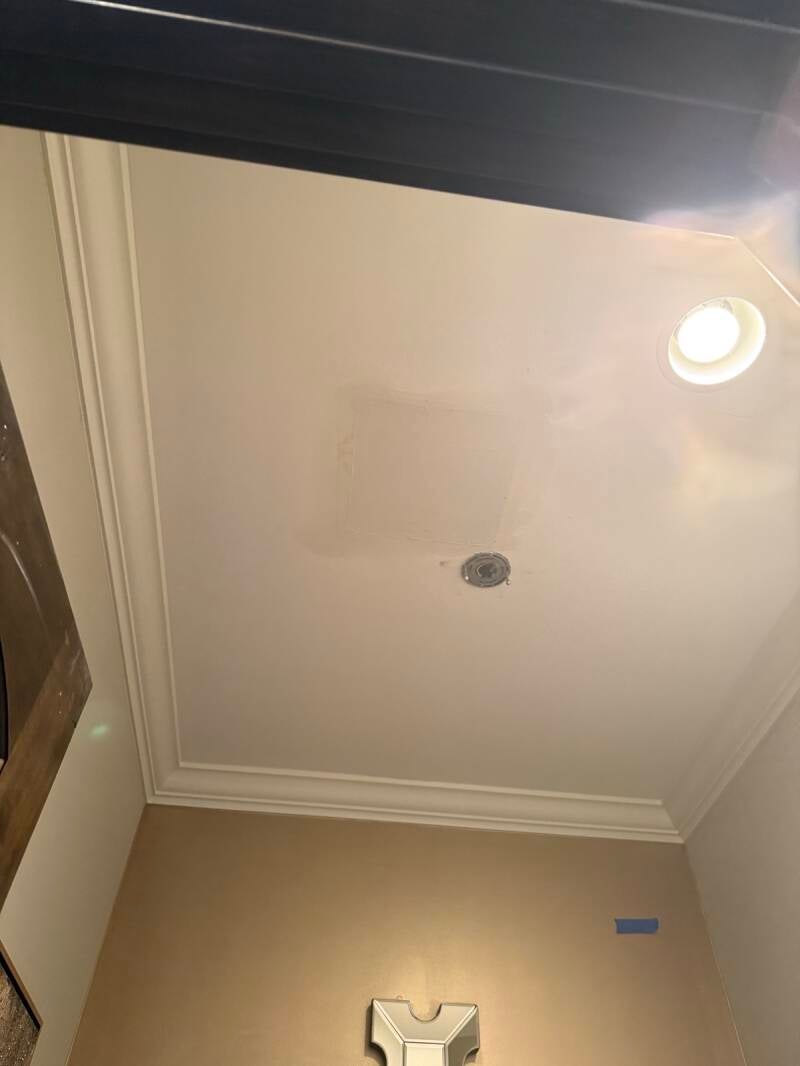
Perry GA Labor Day Week Home Repair Walkthrough: Doors, Decks, Drywall & Small Safety Fixes
Labor Day week is a good time for Perry and Middle Georgia homeowners to handle the small repair items that get ignored during summer heat and storm season. A quick walkthrough now can catch loose hardware, swollen doors, soft deck boards, drywall dings, and flooring trip hazards before fall schedules get busy.
Little R&R Build and Repair helps homeowners around Perry, Fort Valley, Warner Robins, Byron, Kathleen, Bonaire, and nearby Middle Georgia communities with practical handyman repairs, installations, and maintenance punch lists.
1. Check doors, locks, and trim before heavier fall traffic
Humidity can make doors rub, latches miss, and trim seams open up. Walk the main entry doors, bathroom doors, pantry doors, and garage access doors. Look for:
- Doors rubbing at the top or latch side
- Loose knobs, hinges, strike plates, or deadbolts
- Gaps around trim or thresholds
- Weatherstripping that has pulled loose
- Exterior doors that let in light, heat, insects, or water
Small adjustments now can prevent bigger alignment, security, and water-intrusion issues later.
2. Walk decks, steps, porch rails, fences, and gates
Late-summer storms are hard on exterior wood and hardware. Before hosting, grilling, or getting into fall yard work, check:
- Soft or lifted deck boards
- Loose stair treads
- Wobbly porch rails
- Gate hinges that sag or drag
- Fence boards pulling away from posts
- Rusted screws, latch plates, or brackets
These are the kind of small carpentry repairs that can improve safety and curb appeal fast.
3. Handle drywall, paint-prep, and wall touch-ups
Backpacks, furniture, pets, humidity, and summer projects can leave drywall damage behind. Make a list of:
- Dents, nail pops, and small holes
- Cracked corners or seams
- Scuffed trim and baseboards
- Water stains that need investigation
- Paint-prep spots before a room refresh
Little R&R can help with drywall patches, trim repairs, and prep work so rooms feel cleaner before fall.
4. Fix flooring transitions and trip hazards
Small flooring issues are easy to ignore until someone trips. Check hallways, kitchens, bathrooms, and doorways for:
- Loose transition strips
- Raised or damaged boards
- Soft spots near doors or wet areas
- Shoe molding or quarter-round that needs reattached
- Thresholds that no longer sit tight
A simple flooring punch list can make the home safer and better-looking without turning into a full remodel.
5. Build a one-visit repair punch list
The most efficient way to handle small repairs is to group them. Walk the home with your phone and take photos of each issue. Then sort them by area: doors, drywall, flooring, exterior wood, fixtures, and hardware.
If you need help knocking out the list, Little R&R Build and Repair can help with handyman repairs, carpentry, flooring fixes, picture and TV hanging, home maintenance, and small project work across Perry and Middle Georgia.
Need a Labor Day week repair punch list handled? Call (478) 352-1188 or request an estimate online with Little R&R Build and Repair.
Perry GA Late-August Home Repair Prep Before Labor Day
Late August is the right time for Perry GA homeowners to tighten up the small repairs that get noticed when family, guests, school routines, and holiday traffic pick back up. Around Middle Georgia, heat, humidity, and afternoon storms can make doors stick, deck boards flex, gates sag, flooring transitions lift, and trim or drywall issues show up fast.
Little R&R Build and Repair helps homeowners, landlords, and small businesses across Perry, Fort Valley, Warner Robins, Byron, Kathleen, Bonaire, Centerville, and Hawkinsville handle practical repair lists before they turn into bigger projects.
1. Check exterior doors, thresholds, and weatherstripping
Doors are one of the first places August humidity shows up. If a door rubs, will not latch, or lets daylight show around the threshold, it can affect comfort, security, and water control.
Look for:
- Entry doors rubbing at the top, side, or bottom
- Deadbolts and strike plates that no longer line up
- Weatherstripping that is torn, loose, or compressed
- Thresholds with gaps or water marks
- Interior doors that swing open or will not stay closed
Related service: Home Repair Services in Perry GA
2. Walk porches, decks, steps, fences, and gates
Before Labor Day weekends and fall yard traffic, walk the areas people step on, lean on, and open every day. Moisture and sun can loosen fasteners, weaken boards, and pull hinges out of alignment.
Check for:
- Deck boards that lift, flex, or feel soft
- Loose stair treads or handrails
- Gate hinges pulling from posts
- Fence pickets or rails coming loose
- Porch trim separating or showing rot-prone spots
Small carpentry fixes now can prevent unsafe steps, stubborn gates, or larger replacement work later.
Related service: Carpentry Services in Perry GA
3. Fix flooring transitions and trim before routines get busy
School-year mornings, pets, work boots, and guests all find the same trip hazards. A loose transition strip or lifted flooring edge may seem minor until it becomes a daily problem.
Look for:
- Transition strips that move underfoot
- Flooring edges lifting near doors or hallways
- Baseboards or shoe molding pulling loose
- Small soft spots near entries, kitchens, laundry rooms, or baths
- Trim gaps that collect dust or snag when cleaning
Related service: Flooring Installation & Repair in Perry GA
4. Put drywall, paint-prep, and touch-up repairs on one list
Small drywall dings, nail pops, trim damage, and paint-prep items are easier to handle when they are grouped together. Late August is a good time to walk the main living areas and note what guests or customers will see first.
Good places to check:
- Entryways and hallways
- Kitchen and dining areas
- Around doors and windows
- Rental or turnover spaces
- Small business customer areas
A practical punch list helps keep the job efficient and keeps the home from feeling like it needs a full remodel.
5. Use recent project photos as proof-of-work
If you have recent repair photos, save them. Before-and-after pictures of doors, trim, decks, gates, flooring, or small repairs are useful for future project galleries, Google Business Profile updates, and local trust.
Little R&R’s project/photo updates help Perry and Middle Georgia homeowners see the kind of practical repair work available close to home.
Related page: Recent Handyman Projects in Middle Georgia
Need late-August home repairs handled in Perry GA?
If your home or property has a repair list before Labor Day, fall routines, or the next round of storms, Little R&R Build and Repair can help. Call (478) 352-1188 or request an estimate online.
Service areas include Perry, Fort Valley, Warner Robins, Byron, Kathleen, Bonaire, Centerville, Hawkinsville, and nearby Middle Georgia communities.
Related links
Need late-August home repairs handled? Little R&R Build and Repair can help with doors, porches, decks, gates, flooring transitions, trim, drywall touch-ups, and practical punch-list work across Perry and Middle Georgia. Call (478) 352-1188 or request an estimate online.
Perry GA Kitchen Door Repairs: Small Door Fixes That Make Daily Life Easier
Late summer humidity and daily use can make kitchen doors and interior doors start acting up fast. Around Perry, Fort Valley, Warner Robins, Byron, Kathleen, Bonaire, and the rest of Middle Georgia, homeowners often notice doors rubbing, hinges loosening, trim pulling away, or hardware no longer lining up the way it should.
Little R&R Build and Repair recently added a Kitchen Door Repairs project folder to the Our Work page, with five job photos showing the kind of practical repair work that helps a home feel right again.
Why kitchen and interior door repairs matter
A door problem may look small, but it affects the way the house works every day. Kitchens, laundry rooms, pantries, hallway doors, and exterior-adjacent doors all get a lot of traffic.
Common issues include:
- Doors sticking or rubbing because of humidity
- Hinges pulling loose from the jamb
- Strike plates or latches falling out of alignment
- Trim, casing, or stops needing adjustment
- Door edges, panels, or hardware needing repair
- Small punch-list items around the same area that should be handled while tools are out
These are the kinds of repairs that are usually too small for a major remodel but too annoying to keep ignoring.
What to check before calling a handyman
Walk through the door slowly and check:
- Does it open and close without scraping?
- Does the latch catch cleanly?
- Are the hinges tight?
- Is any trim cracked, loose, or separating?
- Is the threshold or floor transition nearby creating a trip point?
- Does the door swing or sit unevenly?
If more than one of those answers looks off, it is worth having the repair handled before the problem damages paint, flooring, trim, or hardware.
Local repair help across Perry and Middle Georgia
Little R&R Build and Repair handles practical home repairs for homeowners, landlords, and small businesses across Perry, Fort Valley, Warner Robins, Byron, Kathleen, Bonaire, Centerville, Hawkinsville, and nearby Middle Georgia communities.
Door repairs often pair well with other small fixes, including drywall touch-ups, trim work, flooring transitions, hardware installs, picture and TV hanging, fence and gate repairs, and general punch-list maintenance.
Need door repairs or a punch list handled?
If your kitchen door, interior doors, trim, or hardware need attention, Little R&R Build and Repair can help knock out the small repairs before they turn into bigger problems.
Call (478) 352-1188 or request an estimate online through Little R&R Build and Repair.
Perry Home Repair Checklist: Small Fixes That Prevent Big Problems
A practical maintenance guide from Little R&R Build and Repair for homeowners in Perry and Middle Georgia.
Start with water, doors, and exterior wear
Small issues around the home can turn expensive when they are ignored. Check under sinks, around toilets, near exterior doors, and along decks or porches for leaks, soft wood, loose boards, sticking doors, and gaps where weather or pests can enter.
Seasonal maintenance matters in Middle Georgia
Heat, humidity, storms, and daily use all wear on a property. Regular gutter cleaning, pressure washing, caulking, drywall touch-ups, door adjustments, fixture repairs, and deck or fence repairs help protect your home and keep it looking cared for.
When to call a handyman
If a repair needs tools, safe access, accurate measurement, or clean finish work, it is usually worth bringing in help. Little R&R Build and Repair handles practical repairs, installations, maintenance, and small build projects across Perry, Fort Valley, Warner Robins, Byron, Kathleen, Bonaire, Centerville, Hawkinsville, and nearby communities.
Need help with your repair list? Call (478) 352-1188 or request an estimate online.
Handyman Services in Perry, GA: What Local Homeowners Should Fix First
If your repair list keeps growing, start with the items that protect safety, stop water damage, and keep your home functioning day to day.
1. Water leaks and moisture problems
In Middle Georgia, small leaks can turn into cabinet damage, drywall staining, soft flooring, and mold concerns. Check under sinks, around toilets, near exterior doors, and anywhere you see bubbling paint or soft trim. A quick repair now can prevent a larger replacement later.
2. Doors, trim, drywall, and everyday wear
Sticking doors, loose trim, cracked drywall, damaged screens, and worn caulk make a home feel neglected even when the structure is sound. These are practical handyman repairs that improve comfort, appearance, and resale confidence.
3. Exterior repairs before weather makes them worse
Deck boards, fence sections, porch steps, siding gaps, and loose fixtures should be handled before rain and humidity spread the damage. Little R&R Build and Repair helps homeowners in Perry, Fort Valley, Warner Robins, Byron, Kathleen, Bonaire, and nearby communities keep small exterior issues from becoming expensive projects.
Need handyman help in Perry, GA? Call (478) 352-1188 or request an estimate online. We handle repairs, installations, maintenance, and small build projects across Middle Georgia.

Deck and Fence Repairs to Check Before Summer in Perry, GA
Before summer heat, storms, and backyard traffic pick up in Perry and Middle Georgia, it is smart to inspect decks, fences, steps, railings, and gates. Small exterior repairs are usually easier and cheaper before moisture damage spreads or a safety issue gets worse.
1. Check deck boards, steps, and railings for movement
Walk the deck slowly and feel for soft boards, lifted fasteners, loose stair treads, or railing posts that move under light pressure. These are safety items, not just cosmetic issues. Repairing a few weak boards or fasteners early can help avoid a larger rebuild later.
2. Look for rot, moisture damage, and exposed wood
Middle Georgia humidity can wear down boards, post bases, stair stringers, and fence pickets. Watch for cracked boards, peeling stain or paint, mildew that comes back quickly, and wood that feels soft near the ground or shaded areas.
3. Test fence gates, hinges, latches, and posts
A dragging gate or leaning fence section often gets worse once summer storms and yard use increase. Check hinges, latches, posts, brackets, and panels for movement, rust, splitting, or missing hardware.
4. Prioritize repairs before replacement
Many exterior problems can be handled with targeted repairs: replacing damaged boards, tightening or upgrading hardware, correcting gate alignment, securing loose railings, and sealing exposed areas. The goal is to protect function and safety without jumping straight to full replacement when repair makes sense.
Need deck or fence repair in Perry, GA? Call (478) 352-1188 or request an estimate online. Little R&R Build and Repair handles practical exterior repairs across Perry, Fort Valley, Warner Robins, Byron, Kathleen, Bonaire, Centerville, Hawkinsville, and nearby Middle Georgia communities.
Deck Repair Near Warner Robins, GA: Boards, Rails, Steps and Gates
Homeowners around Warner Robins and Middle Georgia search for deck help when something starts feeling unsafe: a soft board, a wobbly rail, a loose step, or a gate that no longer closes right. Those repairs are worth handling early, before weather and daily use turn a small issue into a bigger project.
Common deck problems we can help with
Little R&R Build and Repair helps with practical deck and exterior repair work such as loose deck boards, damaged steps, weak rails, sticking gates, small carpentry repairs, trim repair, and exterior maintenance items around the home.
Watch for soft boards and raised fasteners
If a deck board flexes, dips, squeaks, or feels soft underfoot, it should be checked before heavy use. Raised screws and loose fasteners can also create trip hazards and usually get worse over time.
Check stairs and railings before guests come over
Deck stairs and railings should feel solid. Movement in a railing or step can become a safety issue quickly, especially before cookouts, family visits, rental turns, or summer use.
Fence and gate repairs often tie into deck work
A dragging gate, leaning post, or loose hinge can make the whole outdoor area feel neglected. If you are already checking the deck, it is smart to group small fence, gate, and exterior wood repairs into the same visit.
Service area
Little R&R serves Perry, Fort Valley, Warner Robins, Byron, Kathleen, Bonaire, Centerville, Hawkinsville, and nearby Middle Georgia communities.
Need help with deck repair near Warner Robins or Perry? Call (478) 352-1188 or request an estimate online.

Deck and Fence Repairs Before Summer Storms in Perry & Middle Georgia
Summer weather in Middle Georgia can be hard on decks, fences, gates, and porch steps. A loose board or leaning fence post may not seem urgent, but heavy rain, wind, and daily use can turn small problems into bigger repairs fast.
For homeowners in Perry, Fort Valley, Warner Robins, Byron, Kathleen, Bonaire, and nearby areas, a quick seasonal check can help prevent damage and keep outdoor spaces safer.
What to check before storm season
Start with the areas people touch or walk on every day: soft or weak deck boards, loose handrails or stair treads, fence sections starting to lean, gate hinges that sag or drag, missing screws, nails, or brackets, rot around posts, steps, or porch edges, and latches that no longer close securely.
If something moves when it should not, catches when it should swing, or feels soft underfoot, it is worth fixing before weather makes it worse.
Why small outdoor repairs matter
Deck and fence repairs are not just cosmetic. Loose rails, unstable steps, and dragging gates can become safety issues. Rotten boards can spread damage into nearby framing. A leaning fence post can pull an entire run out of line.
Catching these issues early usually means a smaller repair, less material, and less disruption.
When to call a handyman
Call for help if the repair involves structural boards, stairs, rails, posts set in the ground, or anything that affects safety. Little R&R Build and Repair handles practical home repairs and maintenance across Middle Georgia, including outdoor repair work, small carpentry, gates, fences, decks, and punch-list projects.
If you are not sure whether a deck or fence issue is urgent, take a few photos and request an estimate. A quick look can usually separate simple maintenance from something that needs immediate attention.
Need help with a deck, fence, or gate repair?
Little R&R Build and Repair serves Perry, Fort Valley, Warner Robins, Byron, Kathleen, Bonaire, Hawkinsville, and nearby Middle Georgia communities. Visit our services, recent work, and service areas, or request an estimate online and we will help you get the repair on the schedule.
Need deck, fence, or gate repair? Call (478) 352-1188 or request an estimate online.
Memorial Day Home Repair Checklist for Perry & Middle Georgia
Memorial Day weekend is often when small home repair issues become obvious. Family comes over, grills get fired up, porches and decks get used again, and the little things you have been meaning to fix suddenly move to the top of the list.
For homeowners in Perry, Fort Valley, Warner Robins, Byron, Kathleen, Bonaire, Centerville, and surrounding Middle Georgia communities, check decks, porches, steps, fences, gates, doors, trim, exterior caulk, drywall, fixtures, fans, outdoor lighting, gutters, and drainage before holiday traffic and summer storms pick up.
Little R&R Build and Repair helps homeowners and small businesses across Perry and Middle Georgia with handyman repairs, maintenance, installations, carpentry, deck and fence repairs, drywall, fixtures, and practical home improvements.
Need help getting the list handled? Call Little R&R Build and Repair at 478-352-1188 or request service through the online booking link.
Summer Storm Home Repair Checklist for Perry & Middle Georgia
Summer storms in Middle Georgia can turn small home repair issues into urgent problems fast. A loose fence panel, clogged gutter, soft deck board, or small trim gap may not seem like much on a clear day, but heavy rain and wind will find weak spots quickly.
For homeowners in Perry, Fort Valley, Warner Robins, Byron, Kathleen, Bonaire, Centerville, and nearby communities, check gutters and drainage, decks, porches, steps, fences, gates, trim gaps, failed caulk, doors, hardware, weather sealing, and any drywall stains or cracks after rain.
Group small repairs together: gutters, fence fixes, gate hardware, deck boards, trim, drywall, fixtures, and other maintenance items. A single organized punch list makes handyman work faster and more efficient.
Need help before the next storm rolls through? Call Little R&R Build and Repair at 478-352-1188 or request service through the online booking link.
Rental Turnover Repair Checklist for Perry & Middle Georgia Landlords
When a tenant moves out, the fastest path back to a rent-ready property is a focused repair checklist. Little R&R Build and Repair helps landlords and property owners across Perry, Fort Valley, Warner Robins, Byron, Kathleen, Bonaire, Centerville, Hawkinsville, and nearby Middle Georgia communities handle practical turnover repairs without overcomplicating the process.
1. Start with safety and function
Before cosmetics, check the basics: doors that latch, loose handrails, damaged steps, leaking fixtures, bad outlets, loose hardware, stuck windows, and anything that could create a safety issue for the next tenant. Small repairs here protect the property and reduce callbacks.
2. Repair drywall, trim, doors, and flooring
Rental homes usually show wear around high-use areas. Look for drywall holes, cracked corners, loose trim, damaged transition strips, soft flooring spots, sticking doors, and missing hardware. These punch-list items make a big difference in how clean and cared-for the property feels during showings.
3. Check kitchens, baths, and laundry areas
Water damage can hide under sinks, around toilets, behind appliances, and near laundry connections. Catching leaks, soft cabinet bottoms, caulk gaps, loose fixtures, and damaged drywall early helps avoid larger repairs after move-in.
4. Do a quick exterior pass
Walk the porch, deck, fence, gate, siding, exterior doors, and steps. Middle Georgia humidity and storms can turn small exterior problems into bigger repairs quickly. Tightening a gate, replacing a few boards, securing trim, or fixing steps before a new tenant arrives can save time later.
5. Keep one clear punch list
A single repair list helps prioritize what must be done before photos, showings, or move-in. Group items by room and mark which repairs affect safety, appearance, or daily function. That makes the turnover faster and easier to price.
Need rental turnover repairs in Perry or Middle Georgia? Call Little R&R Build and Repair at (478) 352-1188 or request an estimate online.
Perry GA August Humidity Repair Reset: Doors, Drywall, Flooring & Small Safety Fixes
August in Perry and Middle Georgia is hard on houses. Heat, humidity, afternoon rain, and busy back-to-school routines can make small home repairs show up fast.
If a door was barely rubbing in July, it may stick worse now. If a transition strip was loose last month, it can become a trip hazard during a rushed morning. A short repair reset this week can keep small issues from becoming bigger fall projects.
1. Check doors that drag, rub, or will not latch
Humidity can swell doors, trim, and framing just enough to cause everyday frustration.
Look for:
- Entry doors rubbing at the top or bottom
- Interior doors that will not stay open or closed
- Loose strike plates, knobs, or hinges
- Weatherstripping that has pulled loose
- Thresholds letting in daylight, heat, or water
A hinge adjustment, latch repair, threshold fix, or small trim repair can make the house feel better quickly.
Related service: Home Repair Services in Perry, GA
2. Walk flooring transitions and soft spots
Late-summer traffic can expose flooring issues around entries, kitchens, hallways, and laundry rooms.
Check:
- Loose transition strips
- Raised flooring edges
- Soft spots near exterior doors
- Trim gaps along baseboards
- Flooring that catches shoes, rugs, or furniture
Small flooring repairs help improve safety and prevent damage from spreading.
Related service: Flooring Installation & Repair in Perry, GA
3. Handle drywall and paint-prep touch-ups before fall
Drywall dings, nail pops, cracked caulk, and scuffed trim are easier to fix while they are still small.
A practical punch list may include:
- Small drywall patches
- Nail-pop repairs
- Door-frame scuffs
- Caulk gaps
- Trim touch-ups
- Paint-ready surface prep
These are good projects to bundle into one efficient handyman visit.
4. Check gates, deck boards, rails, and exterior trim
Rain and humidity can loosen exterior wood, hardware, and fasteners. Walk the outside of the home and look for:
- Fence gates that sag or drag
- Loose hinges or latches
- Deck boards that flex or pop up
- Wobbly rails or steps
- Soft exterior trim
- Water draining toward the house
Small exterior repairs can prevent bigger carpentry work later.
Related service: Carpentry Services in Perry, GA
5. Make one short repair list
The easiest way to stay ahead is to write down the small issues by area:
- Doors and hardware
- Floors and trim
- Drywall and paint prep
- Decks, gates, and exterior wood
- Safety items like loose rails, steps, or mounted fixtures
Little R&R Build and Repair helps homeowners, landlords, and small businesses across Perry, Fort Valley, Warner Robins, Byron, Kathleen, Bonaire, and Middle Georgia knock out practical repair lists without turning every small fix into a major project.
Need August home repairs handled in Perry GA?
Call Little R&R Build and Repair at (478) 352-1188 or request an estimate online for handyman repairs, home maintenance, carpentry, flooring, picture and TV hanging, and punch-list work across Perry and Middle Georgia.
Need an August repair reset? Call (478) 352-1188 or request an estimate online.
Perry GA Sunday Storm & Safety Repair Walkthrough: Doors, Decks, Gates & Gutters
August storms in Middle Georgia can turn small home issues into bigger repairs quickly. A short Sunday walkthrough is a simple way for Perry-area homeowners to catch loose, wet, or worn spots before the week gets busy.
Little R&R Build and Repair helps homeowners around Perry, Fort Valley, Warner Robins, Byron, Kathleen, Bonaire, Centerville, and nearby Middle Georgia communities handle practical handyman repairs, maintenance, carpentry, flooring, installations, and punch-list work.
1. Start at exterior doors and thresholds
After summer rain and humidity, doors are one of the first places to show trouble.
Check for:
- Entry doors rubbing or dragging
- Loose hinge screws
- Deadbolts or latches that no longer line up
- Weatherstripping pulling loose
- Daylight under thresholds
- Soft trim near the bottom of the frame
Small door adjustments and trim repairs can improve comfort, security, and water resistance before damage spreads.
Related service: Home Repair Services in Perry, GA
2. Walk decks, steps, and porch boards
Wet weather can expose soft boards, loose fasteners, and weak railings.
Look for:
- Deck boards that flex or bounce
- Loose handrails
- Steps that shift under weight
- Raised screws or nails
- Soft wood near edges or corners
- Areas where water pools instead of draining away
These are safety repairs worth handling early, especially before kids, pets, guests, or deliveries put more traffic on the area.
Related service: Carpentry Services in Perry, GA
3. Test fence gates and latches
Gates usually start failing a little at a time. A latch gets hard to close, a hinge pulls loose, or the gate begins to scrape the ground.
Quick checks:
- Open and close each gate fully
- Watch for sagging corners
- Check hinge screws and latch alignment
- Look for loose pickets or rails
- Make sure gates clear the ground after rain
A small gate repair now can prevent a bigger rebuild later.
4. Check gutters, downspouts, and splash zones
Even if a full gutter cleaning is not needed, it is worth checking where water is going.
Watch for:
- Water stains under gutter corners
- Downspouts dumping too close to the house
- Soil washing out near the foundation
- Overflow marks on fascia or trim
- Leaves packed around roof valleys or gutter outlets
Water control is one of the easiest ways to protect trim, doors, decks, and flooring inside the home.
Related service: Home Maintenance Services in Perry, GA
5. Make one practical punch list
The best repair list is short and specific. Try grouping the issues by type:
- One door or threshold issue
- One deck, porch, or step issue
- One fence or gate issue
- One water/drainage issue
- One indoor wall, trim, flooring, or fixture issue
That makes it easier to bundle several small fixes into one handyman visit.
Need storm-season home repairs in Perry GA?
Little R&R Build and Repair handles handyman repairs, home maintenance, carpentry, flooring touch-ups, picture and TV hanging, installations, and local punch-list work across Perry and Middle Georgia.
Call (478) 352-1188 or request an estimate online to get your August repair list handled.
Need storm-season punch-list repairs handled? Call (478) 352-1188 or request an estimate online.
Perry GA Sunday Storm & Safety Repair Walkthrough: Doors, Decks, Gates & Gutters
August storms in Middle Georgia can turn small home issues into bigger repairs quickly. A short Sunday walkthrough is a simple way for Perry-area homeowners to catch loose, wet, or worn spots before the week gets busy.
Little R&R Build and Repair helps homeowners around Perry, Fort Valley, Warner Robins, Byron, Kathleen, Bonaire, Centerville, and nearby Middle Georgia communities handle practical handyman repairs, maintenance, carpentry, flooring, installations, and punch-list work.
1. Start at exterior doors and thresholds
After summer rain and humidity, doors are one of the first places to show trouble.
Check for:
- Entry doors rubbing or dragging
- Loose hinge screws
- Deadbolts or latches that no longer line up
- Weatherstripping pulling loose
- Daylight under thresholds
- Soft trim near the bottom of the frame
Small door adjustments and trim repairs can improve comfort, security, and water resistance before damage spreads.
Related service: Home Repair Services in Perry, GA
2. Walk decks, steps, and porch boards
Wet weather can expose soft boards, loose fasteners, and weak railings.
Look for:
- Deck boards that flex or bounce
- Loose handrails
- Steps that shift under weight
- Raised screws or nails
- Soft wood near edges or corners
- Areas where water pools instead of draining away
These are safety repairs worth handling early, especially before kids, pets, guests, or deliveries put more traffic on the area.
Related service: Carpentry Services in Perry, GA
3. Test fence gates and latches
Gates usually start failing a little at a time. A latch gets hard to close, a hinge pulls loose, or the gate begins to scrape the ground.
Quick checks:
- Open and close each gate fully
- Watch for sagging corners
- Check hinge screws and latch alignment
- Look for loose pickets or rails
- Make sure gates clear the ground after rain
A small gate repair now can prevent a bigger rebuild later.
4. Check gutters, downspouts, and splash zones
Even if a full gutter cleaning is not needed, it is worth checking where water is going.
Watch for:
- Water stains under gutter corners
- Downspouts dumping too close to the house
- Soil washing out near the foundation
- Overflow marks on fascia or trim
- Leaves packed around roof valleys or gutter outlets
Water control is one of the easiest ways to protect trim, doors, decks, and flooring inside the home.
Related service: Home Maintenance Services in Perry, GA
5. Make one practical punch list
The best repair list is short and specific. Try grouping the issues by type:
- One door or threshold issue
- One deck, porch, or step issue
- One fence or gate issue
- One water/drainage issue
- One indoor wall, trim, flooring, or fixture issue
That makes it easier to bundle several small fixes into one handyman visit.
Need storm-season home repairs in Perry GA?
Little R&R Build and Repair handles handyman repairs, home maintenance, carpentry, flooring touch-ups, picture and TV hanging, installations, and local punch-list work across Perry and Middle Georgia.
Call (478) 352-1188 or request an estimate online to get your August repair list handled.
Need storm-season punch-list repairs handled? Call (478) 352-1188 or request an estimate online.
Perry GA August Weekend Home Repair Checklist: Doors, Floors, Gates & Small Fixes
August weekends in Perry and Middle Georgia are a good time to knock out the small home repairs that get annoying once school schedules, afternoon storms, and late-summer heat all stack up.
Little R&R Build and Repair helps homeowners, landlords, and small businesses around Perry, Fort Valley, Warner Robins, Byron, Kathleen, Bonaire, Centerville, Hawkinsville, and nearby Middle Georgia communities handle practical repair lists without turning every job into a major project.
1. Check doors before humidity makes them worse
Start with the doors you use every day. If a door rubs, sticks, will not latch, or leaves daylight around the threshold, it is worth fixing before the problem spreads to the frame or weatherstripping.
Look for:
- Entry doors rubbing at the top or bottom
- Loose knobs, deadbolts, or strike plates
- Weatherstripping pulling loose
- Thresholds letting in heat, bugs, or water
- Interior doors that will not stay open or closed
Small adjustments, hardware fixes, and trim repairs can make a house feel better fast.
Related service: Home Repair Services in Perry, GA
2. Walk flooring transitions and trip spots
Loose transition strips, curled edges, and small soft spots are easy to ignore until someone catches a foot on them. Walk the high-traffic areas first: entryways, hallways, kitchens, laundry rooms, and rooms where furniture has been moved.
Check for:
- Raised or loose transition strips
- Damaged planks or boards
- Trim gaps along baseboards
- Soft areas near exterior doors
- Flooring edges that catch shoes, rugs, or chairs
Related service: Flooring Installation & Repair in Perry, GA
3. Test fence gates, deck boards, and steps
Late-summer rain can expose weak exterior wood, loose hardware, and sagging gates. A short walk outside can catch safety problems early.
Watch for:
- Gate latches that barely catch
- Loose hinges or screws
- Deck boards that flex, lift, or feel soft
- Handrails that move when pulled
- Fence pickets or rails pulling away
- Steps that shift under weight
Related service: Carpentry Services in Perry, GA
4. Handle small wall and trim damage before fall
Drywall dings, nail pops, trim gaps, and caulk cracks are common after a busy summer. If the surface is already bothering you, now is a good time to get it patched and paint-ready.
Good punch-list items include:
- Small drywall holes or cracks
- Nail pops
- Door-frame scuffs
- Trim gaps
- Caulk touch-ups
- Paint-prep repairs around high-traffic areas
5. Secure the items hanging on the wall
Back-to-school routines and room refreshes often mean shelves, hooks, mirrors, curtain rods, and mounted screens. Anything carrying weight needs the right anchor and placement.
Little R&R can help with picture hanging, TV mounting assistance, shelves, mirrors, wall hardware, and small finish-detail installs.
Related service: Picture & TV Hanging in Perry, GA
Need August home repairs handled in Perry GA?
Little R&R Build and Repair handles handyman repairs, home maintenance, flooring fixes, carpentry, picture and TV hanging, door adjustments, trim repairs, and punch-list work across Perry and Middle Georgia.
Call (478) 352-1188 or request an estimate online to schedule your August repair list.
Need August punch-list repairs handled? Little R&R Build and Repair can help with doors, flooring transitions, gates, decks, trim, drywall, wall-mounted items, and practical home repairs across Perry and Middle Georgia. Call (478) 352-1188 or request an estimate online.
Perry GA August Weekend Home Repair Checklist: Doors, Floors, Gates & Small Fixes
August weekends in Perry and Middle Georgia are a good time to knock out the small home repairs that get annoying once school schedules, afternoon storms, and late-summer heat all stack up.
Little R&R Build and Repair helps homeowners, landlords, and small businesses around Perry, Fort Valley, Warner Robins, Byron, Kathleen, Bonaire, Centerville, Hawkinsville, and nearby Middle Georgia communities handle practical repair lists without turning every job into a major project.
1. Check doors before humidity makes them worse
Start with the doors you use every day. If a door rubs, sticks, will not latch, or leaves daylight around the threshold, it is worth fixing before the problem spreads to the frame or weatherstripping.
Look for:
- Entry doors rubbing at the top or bottom
- Loose knobs, deadbolts, or strike plates
- Weatherstripping pulling loose
- Thresholds letting in heat, bugs, or water
- Interior doors that will not stay open or closed
Small adjustments, hardware fixes, and trim repairs can make a house feel better fast.
Related service: Home Repair Services in Perry, GA
2. Walk flooring transitions and trip spots
Loose transition strips, curled edges, and small soft spots are easy to ignore until someone catches a foot on them. Walk the high-traffic areas first: entryways, hallways, kitchens, laundry rooms, and rooms where furniture has been moved.
Check for:
- Raised or loose transition strips
- Damaged planks or boards
- Trim gaps along baseboards
- Soft areas near exterior doors
- Flooring edges that catch shoes, rugs, or chairs
Related service: Flooring Installation & Repair in Perry, GA
3. Test fence gates, deck boards, and steps
Late-summer rain can expose weak exterior wood, loose hardware, and sagging gates. A short walk outside can catch safety problems early.
Watch for:
- Gate latches that barely catch
- Loose hinges or screws
- Deck boards that flex, lift, or feel soft
- Handrails that move when pulled
- Fence pickets or rails pulling away
- Steps that shift under weight
Related service: Carpentry Services in Perry, GA
4. Handle small wall and trim damage before fall
Drywall dings, nail pops, trim gaps, and caulk cracks are common after a busy summer. If the surface is already bothering you, now is a good time to get it patched and paint-ready.
Good punch-list items include:
- Small drywall holes or cracks
- Nail pops
- Door-frame scuffs
- Trim gaps
- Caulk touch-ups
- Paint-prep repairs around high-traffic areas
5. Secure the items hanging on the wall
Back-to-school routines and room refreshes often mean shelves, hooks, mirrors, curtain rods, and mounted screens. Anything carrying weight needs the right anchor and placement.
Little R&R can help with picture hanging, TV mounting assistance, shelves, mirrors, wall hardware, and small finish-detail installs.
Related service: Picture & TV Hanging in Perry, GA
Need August home repairs handled in Perry GA?
Little R&R Build and Repair handles handyman repairs, home maintenance, flooring fixes, carpentry, picture and TV hanging, door adjustments, trim repairs, and punch-list work across Perry and Middle Georgia.
Call (478) 352-1188 or request an estimate online to schedule your August repair list.
Need August punch-list repairs handled? Little R&R Build and Repair can help with doors, flooring transitions, gates, decks, trim, drywall, wall-mounted items, and practical home repairs across Perry and Middle Georgia. Call (478) 352-1188 or request an estimate online.
Perry GA August Weekend Home Repair Checklist: Doors, Floors, Gates & Small Fixes
August weekends in Perry and Middle Georgia are a good time to knock out the small home repairs that get annoying once school schedules, afternoon storms, and late-summer heat all stack up.
Little R&R Build and Repair helps homeowners, landlords, and small businesses around Perry, Fort Valley, Warner Robins, Byron, Kathleen, Bonaire, Centerville, Hawkinsville, and nearby Middle Georgia communities handle practical repair lists without turning every job into a major project.
1. Check doors before humidity makes them worse
Start with the doors you use every day. If a door rubs, sticks, will not latch, or leaves daylight around the threshold, it is worth fixing before the problem spreads to the frame or weatherstripping.
Look for:
- Entry doors rubbing at the top or bottom
- Loose knobs, deadbolts, or strike plates
- Weatherstripping pulling loose
- Thresholds letting in heat, bugs, or water
- Interior doors that will not stay open or closed
Small adjustments, hardware fixes, and trim repairs can make a house feel better fast.
Related service: Home Repair Services in Perry, GA
2. Walk flooring transitions and trip spots
Loose transition strips, curled edges, and small soft spots are easy to ignore until someone catches a foot on them. Walk the high-traffic areas first: entryways, hallways, kitchens, laundry rooms, and rooms where furniture has been moved.
Check for:
- Raised or loose transition strips
- Damaged planks or boards
- Trim gaps along baseboards
- Soft areas near exterior doors
- Flooring edges that catch shoes, rugs, or chairs
Related service: Flooring Installation & Repair in Perry, GA
3. Test fence gates, deck boards, and steps
Late-summer rain can expose weak exterior wood, loose hardware, and sagging gates. A short walk outside can catch safety problems early.
Watch for:
- Gate latches that barely catch
- Loose hinges or screws
- Deck boards that flex, lift, or feel soft
- Handrails that move when pulled
- Fence pickets or rails pulling away
- Steps that shift under weight
Related service: Carpentry Services in Perry, GA
4. Handle small wall and trim damage before fall
Drywall dings, nail pops, trim gaps, and caulk cracks are common after a busy summer. If the surface is already bothering you, now is a good time to get it patched and paint-ready.
Good punch-list items include:
- Small drywall holes or cracks
- Nail pops
- Door-frame scuffs
- Trim gaps
- Caulk touch-ups
- Paint-prep repairs around high-traffic areas
5. Secure the items hanging on the wall
Back-to-school routines and room refreshes often mean shelves, hooks, mirrors, curtain rods, and mounted screens. Anything carrying weight needs the right anchor and placement.
Little R&R can help with picture hanging, TV mounting assistance, shelves, mirrors, wall hardware, and small finish-detail installs.
Related service: Picture & TV Hanging in Perry, GA
Need August home repairs handled in Perry GA?
Little R&R Build and Repair handles handyman repairs, home maintenance, flooring fixes, carpentry, picture and TV hanging, door adjustments, trim repairs, and punch-list work across Perry and Middle Georgia.
Call (478) 352-1188 or request an estimate online to schedule your August repair list.
Need August punch-list repairs handled? Little R&R Build and Repair can help with doors, flooring transitions, gates, decks, trim, drywall, wall-mounted items, and practical home repairs across Perry and Middle Georgia. Call (478) 352-1188 or request an estimate online.
Perry GA August Fixture, Fan & Home Safety Check: Small Repairs Before School-Year Routines
August in Middle Georgia gets busy fast. School schedules restart, afternoons stay hot, and small home problems have a way of getting ignored until they turn into bigger annoyances. For homeowners in Perry, Fort Valley, Warner Robins, Byron, Kathleen, Bonaire, and nearby areas, this is a good time to knock out practical handyman repairs before the fall routine settles in.
Little R&R Build and Repair helps with the punch-list items that make a home safer, cleaner, and easier to live in.
Check ceiling fans, lights, and everyday fixtures
Ceiling fans and light fixtures work hard during a Perry summer. If a fan wobbles, clicks, hangs unevenly, or feels loose at the mount, do not ignore it. The same goes for light fixtures, porch lights, bathroom hardware, towel bars, curtain rods, and shelving that has started to pull away from the wall.
A quick fixture check can help catch:
- Loose fan mounts or worn hardware
- Wobbly ceiling fans
- Flickering or poorly seated light fixtures
- Loose bathroom accessories
- Shelves or wall-mounted items pulling away from drywall
- Curtain rods or blinds that need better anchors
These are usually small repairs, but they matter. A secure fixture is safer, looks better, and prevents damage to drywall or trim.
Look over doors, thresholds, and trim
Humidity can make doors stick, rub, or stop latching correctly. Entry doors, bedroom doors, pantry doors, and garage access doors are all worth checking before school mornings get hectic.
Watch for:
- Doors that scrape the floor or frame
- Loose handles or strike plates
- Thresholds that let in water, heat, or insects
- Trim pulling loose around doors and windows
- Caulk gaps around exterior openings
Small adjustments now can prevent bigger repair work later, especially during late-summer storms.
Walk the floors before routines get busy
Flooring issues are easy to step over until someone trips or a transition strip comes loose. Before the fall schedule gets moving, walk the main traffic areas and look for lifted edges, damaged boards, loose trim, soft spots, or gaps where flooring meets a doorway.
Little fixes like tightening a transition strip, replacing damaged trim, or repairing a small flooring problem can make daily use safer and cleaner.
Do a quick home safety punch list
A practical August repair list might include:
- Re-secure loose handrails or stair trim
- Tighten door hardware and cabinet pulls
- Fix loose shelves, hooks, or wall-mounted storage
- Repair drywall dings in halls and bedrooms
- Check porch steps, gates, and latches
- Replace missing caulk around wet areas
- Touch up trim before small damage spreads
These are not glamorous projects, but they are the kind of repairs that keep a home working the way it should.
Need handyman help in Perry or Middle Georgia?
If your August punch list is getting longer, Little R&R Build and Repair can help. We handle practical home repairs, fixture installs, drywall touch-ups, trim, flooring repairs, doors, gates, and maintenance work across Perry and Middle Georgia.
Call (478) 352-1188 or request an estimate online to schedule handyman help.
Need August punch-list repairs handled? Little R&R Build and Repair can help with loose fixtures, wobbly fans, sticking doors, flooring trip hazards, trim, drywall touch-ups, and practical home repairs across Perry and Middle Georgia. Call (478) 352-1188 or request an estimate online.
Perry GA August Fixture, Fan & Home Safety Check: Small Repairs Before School-Year Routines
August in Middle Georgia gets busy fast. School schedules restart, afternoons stay hot, and small home problems have a way of getting ignored until they turn into bigger annoyances. For homeowners in Perry, Fort Valley, Warner Robins, Byron, Kathleen, Bonaire, and nearby areas, this is a good time to knock out practical handyman repairs before the fall routine settles in.
Little R&R Build and Repair helps with the punch-list items that make a home safer, cleaner, and easier to live in.
Check ceiling fans, lights, and everyday fixtures
Ceiling fans and light fixtures work hard during a Perry summer. If a fan wobbles, clicks, hangs unevenly, or feels loose at the mount, do not ignore it. The same goes for light fixtures, porch lights, bathroom hardware, towel bars, curtain rods, and shelving that has started to pull away from the wall.
A quick fixture check can help catch:
- Loose fan mounts or worn hardware
- Wobbly ceiling fans
- Flickering or poorly seated light fixtures
- Loose bathroom accessories
- Shelves or wall-mounted items pulling away from drywall
- Curtain rods or blinds that need better anchors
These are usually small repairs, but they matter. A secure fixture is safer, looks better, and prevents damage to drywall or trim.
Look over doors, thresholds, and trim
Humidity can make doors stick, rub, or stop latching correctly. Entry doors, bedroom doors, pantry doors, and garage access doors are all worth checking before school mornings get hectic.
Watch for:
- Doors that scrape the floor or frame
- Loose handles or strike plates
- Thresholds that let in water, heat, or insects
- Trim pulling loose around doors and windows
- Caulk gaps around exterior openings
Small adjustments now can prevent bigger repair work later, especially during late-summer storms.
Walk the floors before routines get busy
Flooring issues are easy to step over until someone trips or a transition strip comes loose. Before the fall schedule gets moving, walk the main traffic areas and look for lifted edges, damaged boards, loose trim, soft spots, or gaps where flooring meets a doorway.
Little fixes like tightening a transition strip, replacing damaged trim, or repairing a small flooring problem can make daily use safer and cleaner.
Do a quick home safety punch list
A practical August repair list might include:
- Re-secure loose handrails or stair trim
- Tighten door hardware and cabinet pulls
- Fix loose shelves, hooks, or wall-mounted storage
- Repair drywall dings in halls and bedrooms
- Check porch steps, gates, and latches
- Replace missing caulk around wet areas
- Touch up trim before small damage spreads
These are not glamorous projects, but they are the kind of repairs that keep a home working the way it should.
Need handyman help in Perry or Middle Georgia?
If your August punch list is getting longer, Little R&R Build and Repair can help. We handle practical home repairs, fixture installs, drywall touch-ups, trim, flooring repairs, doors, gates, and maintenance work across Perry and Middle Georgia.
Call (478) 352-1188 or request an estimate online to schedule handyman help.
Need August punch-list repairs handled? Little R&R Build and Repair can help with loose fixtures, wobbly fans, sticking doors, flooring trip hazards, trim, drywall touch-ups, and practical home repairs across Perry and Middle Georgia. Call (478) 352-1188 or request an estimate online.
Perry GA August Humidity Checks: Doors, Trim, Caulk & Small Repairs
August in Perry and Middle Georgia is hard on houses. Heat, humidity, afternoon storms, and daily use can make small repair issues show up fast — sticky doors, trim gaps, loose hardware, soft caulk lines, swollen exterior wood, and rooms that suddenly feel harder to keep sealed.
Little R&R Build and Repair helps Perry, Fort Valley, Warner Robins, Byron, Kathleen, Bonaire, and nearby Middle Georgia homeowners handle those small punch-list repairs before they turn into bigger problems.
1. Sticky doors and loose hardware
If a door starts rubbing at the top, dragging at the threshold, or refusing to latch cleanly, humidity may be swelling the wood or shifting the fit. Sometimes the fix is a hinge adjustment, latch alignment, weatherstrip repair, or a small trim correction. Waiting too long can damage paint, jambs, hinges, and flooring near the door.
2. Trim gaps and cracked seams
Baseboards, casing, crown, and exterior trim can open up as materials expand and contract. Small gaps are more than cosmetic when they allow moisture, pests, or air leaks. A quick repair, re-secure, caulk, and paint-prep pass can keep the area clean and protected.
3. Caulk around windows, doors, tubs, and exterior joints
Old caulk that is cracked, peeling, or pulling away lets water move where it should not. Around windows and doors, that can lead to staining, swelling, and hidden rot. In bathrooms and wet areas, failed caulk can create bigger repair work later. August is a good time to walk the house and mark problem areas.
4. Deck, fence, and gate movement
Heat and storms can loosen boards, fasteners, gate latches, rails, and fence panels. If a gate is sagging or a deck board feels soft, it is better to fix it now than after another month of storms and foot traffic.
5. Build a short end-of-summer punch list
A practical August checklist for Perry homeowners:
- Doors that stick, rub, or will not latch
- Loose trim, casing, baseboards, or thresholds
- Cracked caulk around windows, doors, tubs, and exterior seams
- Soft deck boards or loose handrails
- Fence gates that sag, scrape, or do not close cleanly
- Drywall cracks or paint-prep areas after humidity and storms
- Small fixture, shelf, mirror, or TV mounting jobs waiting on the list
Need help with August home repairs in Perry GA?
Little R&R Build and Repair handles small repairs, punch-list fixes, carpentry, trim, door adjustments, caulking, drywall touch-ups, decks, fences, gates, and maintenance work across Perry and Middle Georgia.
Call (478) 352-1188 or request a free estimate online to get your repair list handled before the next round of late-summer weather.
Need August punch-list repairs handled? Little R&R Build and Repair can help with sticky doors, loose trim, caulk checks, deck and fence fixes, drywall touch-ups, and practical home repairs across Perry and Middle Georgia. Call (478) 352-1188 or request an estimate online.
Perry GA End-of-July Deck, Fence & Gate Checks Before August Storms
By late July, Middle Georgia heat and afternoon storms have had weeks to work on exterior wood, hardware, gates, steps, and trim. A deck board that felt a little soft in June, a fence gate that dragged after rain, or a loose handrail can turn into a bigger safety or repair problem once August storms roll through Perry, Fort Valley, Warner Robins, and the surrounding area.
Little R&R Build and Repair helps homeowners handle these practical punch-list repairs before they become bigger headaches.
1. Check deck boards and steps for soft spots
Walk the deck slowly and listen for creaks, movement, or spongy spots. Pay close attention to stairs, landing areas, and boards that stay shaded or wet after rain. Small board or fastener repairs are usually easier to handle before more wood starts moving.
2. Look at handrails and stair rails
Grab rails gently and check for wobble. Heat, moisture, and everyday use can loosen hardware or expose weak attachment points. Tightening, reinforcing, or replacing a problem section can make the area safer before family visits, cookouts, or storm cleanup.
3. Test fence gates after rain
Humidity and wet ground can make gates sag, drag, or stop latching cleanly. If a gate no longer lines up, the issue may be hinges, posts, latch hardware, or swelling wood. Fixing it early helps protect pets, yards, and access points.
4. Watch exterior trim and thresholds
Door trim, porch trim, and thresholds take a beating from wind-driven rain. Look for gaps, movement, swollen edges, or soft spots. These small areas matter because they can let water keep working into places it should not be.
5. Make a storm-season repair punch list
Before August gets rolling, write down the exterior items that keep catching your eye:
- loose deck or porch boards
- dragging fence gates
- wobbly rails
- damaged trim
- sticking doors
- loose hardware
- small exterior repairs after recent storms
That list makes it easier to knock out the most important repairs first.
Need help with a deck, fence, gate, or exterior repair in Perry GA?
Little R&R Build and Repair handles practical home repairs, carpentry fixes, gates, trim, decks, and punch-list work across Perry and Middle Georgia. Call (478) 352-1188 or request an estimate online, and we can help get the small repairs handled before they become bigger ones.
Need an end-of-July repair punch list handled? Little R&R Build and Repair can help with deck boards, fence gates, handrails, exterior trim, thresholds, and practical home repairs across Perry and Middle Georgia. Call (478) 352-1188 or request an estimate online.
Perry GA Late-July Storm & Humidity Repair Punch List
Late July in Perry and Middle Georgia usually brings a mix of heat, humidity, and afternoon storms. That combination is hard on doors, trim, decks, fences, thresholds, and other small parts of a house that move, swell, or loosen over time.
Most of these issues do not need a major remodel. They need a practical punch-list approach: find the small problems, fix them cleanly, and keep them from turning into bigger repairs.
Little R&R Build and Repair helps Perry-area homeowners, landlords, and small businesses handle those everyday repairs before they get worse.
Door and trim problems after humid weeks
Humidity can make doors rub, trim separate, and caulk lines open up. If a door suddenly feels tight or a piece of trim has started pulling away, it is worth dealing with before the damage spreads.
Common late-July checks include:
- Interior or exterior doors rubbing at the top or latch side
- Loose baseboards, quarter-round, or casing
- Gaps around door trim or thresholds
- Small caulk failures near wet areas or exterior openings
- Hardware that has worked loose from repeated use
Small adjustments and re-securing work can often make the area look better and work better without replacing everything.
Deck, fence, and gate items to check after storms
Rain and wind can expose weak boards, loose fasteners, sagging gates, and soft spots. These repairs matter because they affect safety, curb appeal, and daily use.
Look for:
- Deck boards that feel soft, raised, or loose
- Gate hinges that sag or no longer latch cleanly
- Fence pickets pulling away
- Porch steps or handrails that move under pressure
- Screws or nails backing out
- Water sitting near wood or entry points
A quick repair now can prevent a loose board or gate issue from becoming a bigger replacement project later.
Flooring edges, thresholds, and trip hazards
Storm-season moisture and heavy foot traffic can also affect flooring edges, transitions, and entryways. Raised transition strips, loose thresholds, and damaged trim are small problems that can create trip hazards or let water creep into the house.
Good areas to inspect:
- Front and back door thresholds
- Garage entry transitions
- LVP or laminate edges near doors
- Quarter-round and base trim
- Porch-to-house transitions
- Rental or guest-area walking paths
If someone notices the same spot every time they walk through, that is usually the spot to fix first.
When to call Little R&R
If the repair affects water entry, walking safety, doors, rental turnover, or everyday use, it is worth handling sooner rather than later.
Little R&R Build and Repair handles practical home repairs across Perry, Fort Valley, Warner Robins, Byron, Kathleen, Bonaire, Hawkinsville, and Middle Georgia.
Need help with storm-season punch-list repairs, sticky doors, loose trim, deck boards, fence gates, thresholds, or flooring edges? Call (478) 352-1188 or request an estimate online.
Need a late-summer repair punch list handled? Little R&R Build and Repair can help with sticky doors, loose trim, deck and fence repairs, flooring edges, thresholds, and practical home repairs across Perry and Middle Georgia. Call (478) 352-1188 or request an estimate online.
Perry GA Late-July Door, Trim & Humidity Fixes Worth Handling Now
Late July in Perry and Middle Georgia is hard on doors, trim, and small woodwork. Heat and humidity can make a door rub, a latch miss the strike plate, trim seams open up, or exterior wood start holding moisture after storms.
Those issues may look minor, but they are exactly the kind of small repairs that are cheaper to handle before they become bigger punch-list problems.
1. Check doors that rub or will not latch cleanly
If a door suddenly sticks, drags, or needs a hard pull to close, humidity may be swelling the wood or shifting the alignment. Watch for:
- Rubbing at the top corner or latch side
- A latch that no longer lines up with the strike plate
- Loose hinges or stripped hinge screws
- Weatherstripping that is bunched, torn, or too tight
A small adjustment, hinge repair, or latch/strike plate correction can usually restore the door before the frame gets damaged.
2. Look at trim gaps and loose boards
Baseboards, casing, quarter round, and porch trim move as humidity rises and falls. Small gaps are common, but loose or soft trim should not be ignored. Check for:
- Trim pulling away from the wall
- Caulk lines that have split open
- Soft wood near exterior doors or porches
- Nails backing out or boards flexing under light pressure
Little repairs here help keep the home looking finished and can keep water or pests from finding an easy entry point.
3. Watch exterior wood after summer storms
Deck boards, gates, steps, rails, and fence boards take a beating from Georgia rain and sun. After a stormy week, walk the property and look for:
- Boards that stay wet longer than the rest
- Loose screws or nails
- Gate latches that sag or miss
- Splintering, wobbling, or soft spots
Catching these items early is especially important around stairs, railings, and gates where safety matters.
4. Build a small repair punch list
Before calling for help, write down the top 3-5 items that bother you most. Good photos help too. A simple punch list might include:
- Back door rubbing at the top
- Bathroom trim coming loose
- Porch step board flexing
- Gate latch no longer catching
- Closet shelf pulling away from wall
Grouping these small fixes together is often more efficient than waiting until each one becomes urgent.
Need help with late-summer home repairs in Perry, GA?
Little R&R Build and Repair helps homeowners in Perry, Fort Valley, Warner Robins, Byron, Hawkinsville, and Middle Georgia with practical home repairs, carpentry, trim, doors, gates, decks, drywall touch-ups, picture/TV hanging, and punch-list work.
Call (478) 352-1188 or request an estimate online to get the small repairs handled before they turn into bigger ones.
Perry GA Late-July Door, Trim & Humidity Fixes Worth Handling Now
Late July in Perry and Middle Georgia is hard on doors, trim, and small woodwork. Heat and humidity can make a door rub, a latch miss the strike plate, trim seams open up, or exterior wood start holding moisture after storms.
Those issues may look minor, but they are exactly the kind of small repairs that are cheaper to handle before they become bigger punch-list problems.
1. Check doors that rub or will not latch cleanly
If a door suddenly sticks, drags, or needs a hard pull to close, humidity may be swelling the wood or shifting the alignment. Watch for:
- Rubbing at the top corner or latch side
- A latch that no longer lines up with the strike plate
- Loose hinges or stripped hinge screws
- Weatherstripping that is bunched, torn, or too tight
A small adjustment, hinge repair, or latch/strike plate correction can usually restore the door before the frame gets damaged.
2. Look at trim gaps and loose boards
Baseboards, casing, quarter round, and porch trim move as humidity rises and falls. Small gaps are common, but loose or soft trim should not be ignored. Check for:
- Trim pulling away from the wall
- Caulk lines that have split open
- Soft wood near exterior doors or porches
- Nails backing out or boards flexing under light pressure
Little repairs here help keep the home looking finished and can keep water or pests from finding an easy entry point.
3. Watch exterior wood after summer storms
Deck boards, gates, steps, rails, and fence boards take a beating from Georgia rain and sun. After a stormy week, walk the property and look for:
- Boards that stay wet longer than the rest
- Loose screws or nails
- Gate latches that sag or miss
- Splintering, wobbling, or soft spots
Catching these items early is especially important around stairs, railings, and gates where safety matters.
4. Build a small repair punch list
Before calling for help, write down the top 3-5 items that bother you most. Good photos help too. A simple punch list might include:
- Back door rubbing at the top
- Bathroom trim coming loose
- Porch step board flexing
- Gate latch no longer catching
- Closet shelf pulling away from wall
Grouping these small fixes together is often more efficient than waiting until each one becomes urgent.
Need help with late-summer home repairs in Perry, GA?
Little R&R Build and Repair helps homeowners in Perry, Fort Valley, Warner Robins, Byron, Hawkinsville, and Middle Georgia with practical home repairs, carpentry, trim, doors, gates, decks, drywall touch-ups, picture/TV hanging, and punch-list work.
Call (478) 352-1188 or request an estimate online to get the small repairs handled before they turn into bigger ones.
Perry GA Late-July Door, Trim & Humidity Fixes Worth Handling Now
Late July in Perry and Middle Georgia is hard on doors, trim, and small woodwork. Heat and humidity can make a door rub, a latch miss the strike plate, trim seams open up, or exterior wood start holding moisture after storms.
Those issues may look minor, but they are exactly the kind of small repairs that are cheaper to handle before they become bigger punch-list problems.
1. Check doors that rub or will not latch cleanly
If a door suddenly sticks, drags, or needs a hard pull to close, humidity may be swelling the wood or shifting the alignment. Watch for:
- Rubbing at the top corner or latch side
- A latch that no longer lines up with the strike plate
- Loose hinges or stripped hinge screws
- Weatherstripping that is bunched, torn, or too tight
A small adjustment, hinge repair, or latch/strike plate correction can usually restore the door before the frame gets damaged.
2. Look at trim gaps and loose boards
Baseboards, casing, quarter round, and porch trim move as humidity rises and falls. Small gaps are common, but loose or soft trim should not be ignored. Check for:
- Trim pulling away from the wall
- Caulk lines that have split open
- Soft wood near exterior doors or porches
- Nails backing out or boards flexing under light pressure
Little repairs here help keep the home looking finished and can keep water or pests from finding an easy entry point.
3. Watch exterior wood after summer storms
Deck boards, gates, steps, rails, and fence boards take a beating from Georgia rain and sun. After a stormy week, walk the property and look for:
- Boards that stay wet longer than the rest
- Loose screws or nails
- Gate latches that sag or miss
- Splintering, wobbling, or soft spots
Catching these items early is especially important around stairs, railings, and gates where safety matters.
4. Build a small repair punch list
Before calling for help, write down the top 3-5 items that bother you most. Good photos help too. A simple punch list might include:
- Back door rubbing at the top
- Bathroom trim coming loose
- Porch step board flexing
- Gate latch no longer catching
- Closet shelf pulling away from wall
Grouping these small fixes together is often more efficient than waiting until each one becomes urgent.
Need help with late-summer home repairs in Perry, GA?
Little R&R Build and Repair helps homeowners in Perry, Fort Valley, Warner Robins, Byron, Hawkinsville, and Middle Georgia with practical home repairs, carpentry, trim, doors, gates, decks, drywall touch-ups, picture/TV hanging, and punch-list work.
Call (478) 352-1188 or request an estimate online to get the small repairs handled before they turn into bigger ones.
Perry GA Mid-Summer Home Repair Priority List
Mid-summer in Perry and Middle Georgia is when small home repair problems usually stop hiding. Heat, humidity, afternoon storms, and busy family schedules can all put extra stress on doors, decks, fences, drywall, trim, flooring, and exterior hardware.
If your repair list is growing, start with the items that protect safety, keep water out, and prevent bigger repair bills later.
1. Check doors, trim, and hardware that shifted in the humidity
Sticky doors, loose hinges, dragging thresholds, and swollen trim are common this time of year. Sometimes the fix is simple hardware adjustment. Other times, the frame, threshold, or surrounding trim needs repair before the problem gets worse.
Look for:
- Doors that rub, drag, or will not latch cleanly
- Loose knobs, hinges, strike plates, and storm-door hardware
- Soft or separating exterior trim
- Gaps where air or water can enter
2. Walk decks, porch steps, fences, and gates after storms
Storms and humidity can loosen boards, posts, rails, gate hardware, and steps. These are worth handling quickly because they affect safety and curb appeal.
Check for:
- Loose deck boards or porch treads
- Wobbly handrails
- Fence panels pulling loose
- Gates that sag, drag, or no longer latch
- Fasteners backing out or rusting
3. Watch for drywall and paint-prep warning signs
Drywall issues often show up as nail pops, cracks, stains, bubbling paint, or soft spots. Cosmetic repairs are easier when the underlying cause is handled first.
Before repainting, check for:
- Small cracks around doors and windows
- Water stains or bubbling paint
- Loose tape or rough patches
- Nail pops and scuffed wall areas
- Caulk gaps around trim
4. Fix flooring transitions and trip hazards
Summer traffic, humidity, and normal wear can make flooring issues more obvious. Loose transitions, lifted edges, and damaged trim can turn into trip hazards.
Good mid-summer flooring checks include:
- Loose transition strips
- Damaged baseboards or shoe molding
- Soft spots or lifted flooring edges
- Gaps near thresholds
- Small repair areas before they spread
5. Group small repairs into one punch list
One of the easiest ways to save time is to group several small repairs together. A focused punch list might include a sticking door, loose gate latch, drywall patch, TV mount, fixture swap, and trim repair all in the same visit.
Little R&R Build and Repair helps homeowners, landlords, and small businesses across Perry, Fort Valley, Warner Robins, Byron, Kathleen, Bonaire, Hawkinsville, and nearby Middle Georgia communities with practical home repairs, maintenance, installations, carpentry, flooring, drywall/paint prep, decks, fences, gates, and small build projects.
Need help prioritizing your mid-summer repair list? Call (478) 352-1188 or request an estimate online.

Drywall and Paint Prep Repairs in Perry, GA: Small Fixes That Make Rooms Look Finished
Small wall damage has a way of making an otherwise clean room look unfinished. Nail pops, door-handle dents, drywall cracks, rough seams, old anchor holes, and trim gaps all stand out once light hits the wall.
For homeowners around Perry, Fort Valley, Warner Robins, Byron, Kathleen, Bonaire, Hawkinsville, and Middle Georgia, Little R&R Build and Repair can help knock out those drywall and paint-prep punch-list items before they turn into a bigger project.
Common drywall and paint-prep repairs we see
- Small drywall holes from anchors, shelves, or wall-mounted items
- Door knob dents and corner damage
- Loose or cracked tape seams
- Nail pops and minor settling cracks
- Rough patches left from old repairs
- Trim gaps, caulk lines, and touchup prep
- Wall cleanup before repainting, moving, renting, or selling
Why drywall prep matters before painting
Paint does not hide bad prep. It usually makes it more obvious. A smooth patch, clean edge, and properly prepped surface help the finished room look intentional instead of patched together.
If you are planning to repaint, list a home, clean up a rental, or finish a small renovation, handling the prep work first saves time and makes the final result look sharper.
When to call a handyman instead of starting a full remodel
Not every wall problem needs a large contractor. If the issue is localized — a few holes, damaged corners, light texture matching, trim cleanup, or a small room touchup — a handyman repair is often the right fit.
Little R&R focuses on practical home repair work: the kind of reliable, smaller-scale fixes that make a home feel maintained again.
Local service areas
Little R&R serves Perry and nearby Middle Georgia communities, including Fort Valley, Warner Robins, Byron, Kathleen, Bonaire, Hawkinsville, and surrounding service areas.
Ready to clean up the punch list?
Need drywall repair, paint prep, or practical home maintenance help? Call (478) 352-1188 or request service through the website.
Drywall and Paint Prep Checklist for Perry, GA Homeowners
Small drywall cracks, nail pops, scuffed trim, and old caulk can make a room feel rough even when the bigger parts of the home are in good shape.
For homeowners in Perry, Fort Valley, Warner Robins, Byron, Kathleen, Bonaire, Centerville, Hawkinsville, and nearby Middle Georgia communities, a focused drywall and paint-prep checklist can make repair work cleaner and more efficient.
Start with the damage you can see
Walk each room and note nail pops, small holes, cracked corners, loose tape, water stains, trim gaps, door dings, and areas where old caulk has pulled away. Grouping these items before scheduling help keeps the punch list organized.
Check for moisture before patching
If drywall is stained, soft, bubbling, or repeatedly cracking, look for the source before covering it up. A small leak around a roofline, window, sink, toilet, or exterior door can ruin a patch if it is not handled first.
Prep makes the finish look better
Good paint work starts before the paint goes on. That means solid patching, sanding, cleaning dust, resetting loose trim where needed, touching up caulk, and making sure the surface is ready for a clean finish.
When to call a handyman
Call for help when the repair needs clean finish work, matching texture, safe ladder access, trim adjustments, door fixes, or several small repairs handled in one visit. Little R&R Build and Repair handles drywall and home repairs, trim and carpentry, doors, fixtures, punch-list repairs, and practical handyman services across Perry and Middle Georgia.
Need help getting a room ready for paint or repairing drywall damage? Call (478) 352-1188 or request an estimate online.

Bonaire Home Maintenance Checklist: Small Repairs to Handle Before Summer Heat
Summer weather in Middle Georgia can turn small home issues into expensive repairs fast. Heat, humidity, afternoon storms, and heavy use around the house can expose loose trim, sticking doors, soft deck boards, worn caulk, damaged drywall, and fixtures that need attention.
For homeowners in Bonaire, Perry, Kathleen, Warner Robins, Fort Valley, and nearby Middle Georgia communities, a simple home maintenance checklist can keep those small problems from growing.
1. Check doors, trim, and exterior wood
Humidity can make doors stick and can reveal gaps around trim, thresholds, and exterior woodwork. Walk the house and look for:
- Doors that drag, rub, or do not latch cleanly
- Loose or damaged trim
- Soft spots around exterior wood
- Cracks where water can get behind siding, trim, or thresholds
Small carpentry and repair work now can help prevent bigger moisture problems later.
2. Inspect decks, fences, gates, and steps
Outdoor wood takes a beating from sun and rain. Before summer gatherings or storm season, check for:
- Loose deck boards
- Wobbly steps or handrails
- Fence panels pulling loose
- Gate hardware that sags or sticks
- Exposed screws, nails, or trip hazards
Little repairs on decks, fences, and gates can improve both safety and curb appeal.
3. Look for drywall, paint, and ceiling warning signs
Small stains, cracks, nail pops, or peeling paint can point to movement, moisture, or normal wear. Watch for ceiling stains after storms, cracked corners or seams, damaged drywall near doors or busy hallways, and areas that need patching before paint.
A handyman can help patch, prep, and clean up these punch-list items before they spread or become harder to match.
4. Tighten fixtures, hardware, and everyday installs
Summer is a good time to handle the small things that get ignored during busy weeks:
- Loose towel bars, shelves, or curtain rods
- Picture and TV hanging projects
- Wobbly fixtures or cabinet hardware
- Door knobs, locks, and hinges that need adjustment
- Small installation projects that never made it off the list
5. Build a practical punch list before calling
Before scheduling help, walk room by room and write down every small repair you notice. Grouping several items into one visit often makes the service call more efficient.
Helpful details to include: photos of each repair area, approximate location and size, whether the issue is new or recurring, any materials already on hand, and any deadline tied to guests, moving, rental turnover, or weather.
Need handyman help in Bonaire or Middle Georgia?
Little R&R Build and Repair helps homeowners and small businesses with practical home repairs, maintenance, installations, carpentry, flooring fixes, drywall touchups, picture and TV hanging, decks, fences, gates, and punch-list work across Perry, Fort Valley, Warner Robins, Byron, Kathleen, Bonaire, and Middle Georgia service areas.
Need help with your summer repair list? Call or text (478) 352-1188 or request service online.
Hawkinsville Summer Home Maintenance Checklist for Small Repairs
Summer weather in Middle Georgia can be rough on homes. Heat, humidity, heavy rain, and regular family traffic all put stress on decks, fences, doors, trim, drywall, fixtures, gutters, and outdoor areas. For homeowners in Hawkinsville and nearby communities, a short maintenance checklist can help catch small problems before they turn into bigger repairs.
Little R&R Build and Repair helps homeowners and small businesses across Perry, Fort Valley, Warner Robins, Byron, Kathleen, Bonaire, Centerville, Hawkinsville, and surrounding Middle Georgia communities with practical handyman repairs, maintenance, installations, and small build projects.
1. Check decks, porches, steps, and handrails
Walk outdoor areas slowly and look for soft boards, raised fasteners, loose railings, weak stair treads, or boards that shift underfoot. These are safety issues, not just cosmetic problems. A few targeted repairs can often protect the deck or porch and prevent a larger project later.
2. Inspect fences, gates, hinges, and posts
A dragging gate, leaning fence post, loose latch, or split picket usually gets worse after summer storms. Check for movement, rusted hardware, missing screws, and wood near the ground that feels soft or damaged. Fence and gate repairs are easier to handle before an entire section gets pulled out of line.
3. Look for moisture around doors, trim, and drywall
Small water marks, soft trim, bubbling paint, or drywall stains can point to leaks, failed caulk, poor drainage, or weather intrusion. In a humid area like Middle Georgia, moisture problems should not sit long. Early repair helps protect flooring, cabinets, drywall, and framing.
4. Group fixture and hardware repairs into one punch list
Loose towel bars, sticking doors, damaged screens, wobbly fans, broken handles, small drywall patches, and fixture repairs are easy to ignore one at a time. Grouping them into one organized handyman visit saves time and helps the home feel cared for again.
5. Handle gutters, drainage, and exterior gaps before storms
Clogged gutters, poor drainage, gaps around exterior trim, and loose caulk give rain a place to work its way in. Before the next round of heavy weather, check downspouts, porch edges, exterior doors, siding gaps, and areas where water tends to collect.
When to call Little R&R
If the repair needs tools, safe ladder access, accurate measuring, carpentry skill, or a clean finished look, it is worth bringing in help. Little R&R Build and Repair handles practical home maintenance and repair work across Middle Georgia, including Hawkinsville-area punch lists.
Need help with a summer repair checklist? Call Little R&R Build and Repair at 478-352-1188 or request an estimate online.
Home Maintenance Services · Home Repair Services · Carpentry Services · Service Areas · Our Work · Common Questions
Warner Robins Small Repair Checklist Before Summer Storm Season
Summer weather in Warner Robins can turn small home issues into bigger repair problems fast. Loose trim, soft deck boards, sticking doors, damaged caulk, and minor drywall cracks are easy to ignore until heavy rain, humidity, and wind make them worse.
Little R&R Build and Repair helps homeowners, landlords, and small businesses across Warner Robins, Perry, Fort Valley, Kathleen, Bonaire, and the surrounding Middle Georgia area stay ahead of those repair lists with practical handyman service and clear scheduling.
1. Check doors, trim, and exterior wood
Walk around the house and look for trim pulling away from the wall, soft spots, peeling paint, or swollen wood near doors and windows. Small carpentry repairs now can help prevent water from getting behind the surface later.
If a door is dragging, sticking, or letting daylight through the frame, it may need adjustment, weatherstripping, or minor frame repair before storm season brings more moisture.
2. Look over decks, steps, gates, and railings
Deck boards, stair treads, handrails, and gate hardware take a beating during hot, wet months. Check for movement underfoot, loose screws, wobbly rails, dragging gates, or boards that feel soft.
These are the kinds of repairs that are usually easier to handle before a weekend cookout, rental turnover, or heavy rain exposes the weak spots.
3. Watch for drywall cracks and paint-prep issues
Small drywall cracks can come from normal settling, door movement, moisture, or previous repairs that were not finished cleanly. If the crack keeps returning, the area may need better prep before paint.
Little R&R can help with patching, sanding, trim touch-ups, and paint-prep tasks so the finished area looks cleaner and lasts longer.
4. Fix flooring transitions and loose pieces
Humidity and daily use can expose loose transition strips, lifted edges, damaged planks, or flooring gaps. These repairs matter because they can become tripping hazards or let more dirt and moisture reach the subfloor.
If the flooring problem is small, handling it early is usually more cost-effective than waiting until a larger section needs attention.
5. Build a short punch list before requesting service
Before calling or requesting an estimate, write down the top three to five items that are bothering you most. Photos help, especially for exterior wood, flooring, drywall, trim, or gate repairs.
A good punch list makes the visit more efficient and helps Little R&R recommend the right next step: repair, replace, reinforce, or monitor.
Need help with a Warner Robins repair list?
Little R&R Build and Repair handles handyman repairs, home maintenance, carpentry, flooring, picture and TV hanging, and small build projects across Warner Robins and Middle Georgia.
Call (478) 352-1188 or request service through the website to get your repair list moving before summer storms make it longer.
Learn more about home repair services, home maintenance services, carpentry services, flooring installation, service areas, and requesting service.
Drywall & Paint Prep Before Summer Humidity in Perry, GA
Summer weather in Perry and Middle Georgia is hard on interior finishes. Heat, humidity, storms, and daily AC cycling can make small drywall cracks, nail pops, loose trim, and peeling paint show up fast.
If you are seeing spots that need attention, it is usually better to handle them before the wall damage grows or before a fresh paint job traps a bad repair underneath.
Common drywall and paint-prep issues to watch
Look around high-traffic rooms, hallways, bathrooms, laundry rooms, garages, and exterior-facing walls for hairline drywall cracks near doors, windows, and ceiling corners; nail pops or screw pops showing through paint; peeling or bubbling paint in humid rooms; trim gaps or loose baseboards; dents, scuffs, and holes from furniture or wall anchors; water stains that need diagnosis before patching; and rough previous patches that need sanding and blending.
A small punch list can often be handled in one visit. The key is fixing the surface correctly before paint goes on.
Why prep matters before painting
Paint will not hide bad prep. If the patch is raised, dusty, loose, or still damp, it can flash through the finish or fail later.
Good paint prep usually includes checking the damaged area for moisture or movement, securing loose drywall, trim, or fasteners, patching holes and cracks with the right material, sanding and blending the repair, cleaning dust before primer or paint, and using primer where needed so the finish looks even.
That is the difference between a quick cover-up and a repair that actually holds.
When to call a handyman
Call for help if you have multiple small drywall issues, a repair in a visible room, trim that needs attention at the same time, or a punch list you want completed before guests, a rental turnover, or a home sale.
Little R&R Build and Repair helps homeowners and small businesses in Perry, Fort Valley, Warner Robins, Byron, Kathleen, Bonaire, Hawkinsville, and surrounding Middle Georgia communities with drywall touchups, paint prep, trim fixes, and practical home repairs.
Ready to knock out the list?
If your walls, trim, or paint prep need attention, call Little R&R Build and Repair at (478) 352-1188 or request an estimate online. We can help turn the small repair list into finished work before summer humidity makes it worse.
Learn more about home repair services, home maintenance services, carpentry services, service areas, and requesting service.
Summer Fence and Gate Repairs in Perry, GA: What to Check Before Storm Season
Summer weather in Middle Georgia can expose weak spots fast. Heat, humidity, and afternoon storms are hard on fence boards, gate hardware, and deck connections. A quick check now can prevent a small repair from turning into a bigger problem later.
Start with the posts
Walk the fence line and look for leaning sections, soft soil around the base, or posts that move when pushed. A loose post puts extra stress on nearby rails and gates.
Check the gate
If it drags, sticks, or no longer latches cleanly, the hinges or framing may need adjustment. Gate problems usually get worse as wood swells and hardware loosens through the summer.
Look for cracked boards and loose hardware
Look for cracked boards, popped fasteners, loose pickets, and rails pulling away from the posts. These are usually straightforward repairs when caught early.
When to call Little R&R
Little R&R Build and Repair helps homeowners in Perry, Fort Valley, Warner Robins, Byron, Kathleen, Bonaire, Centerville, and surrounding Middle Georgia communities with fence repairs, gate adjustments, deck boards, trim, and other practical home repair projects.
If your fence or gate is already leaning, dragging, or storm-damaged, call 478-352-1188 or request an estimate through the website.
Learn more about our services, carpentry services, and service areas.
Perry GA After-Storm Home Repair Checklist
Storms in Middle Georgia can leave behind small problems that are easy to miss at first. A loose fence board, soft deck spot, sticking door, or small water stain may not look urgent, but those are the issues that can grow into bigger repairs if they sit too long.
Little R&R Build and Repair helps homeowners and small businesses across Perry, Fort Valley, Warner Robins, Byron, Kathleen, Bonaire, Centerville, Hawkinsville, and nearby Middle Georgia communities handle practical repairs, maintenance, installations, and small build projects.
1. Walk the outside first
After heavy rain or wind, start with the exterior. Look for loose siding, damaged trim, shifted fence panels, leaning gates, missing fasteners, soft deck boards, and porch or step movement. Pay close attention to areas where water collects or where wood stays shaded and damp.
If a deck board flexes, a railing moves, or a gate drags more than usual, it is worth addressing early. Small exterior repairs are usually easier before weather and daily use spread the damage.
2. Check doors, windows, and entry points
Storm moisture and humidity can make doors stick, trim swell, and caulk gaps open up. Check exterior doors, thresholds, window trim, and garage or shed entry points. Look for daylight, drafts, loose weatherstripping, cracked caulk, or soft wood.
These small openings can let in water, pests, and more humidity. A quick adjustment, trim repair, or sealing job can help protect the home before the next round of weather.
3. Look inside for water signs
Walk bathrooms, kitchens, laundry areas, ceilings, and exterior walls. Watch for bubbling paint, soft drywall, stains, musty smells, or flooring that feels uneven. In Middle Georgia humidity, small moisture issues can move fast.
If you see a stain or soft spot, do not wait for it to get bigger. Finding and repairing the source early can prevent drywall, trim, flooring, or cabinet damage from spreading.
4. Prioritize safety and function
Start with anything that affects safety or daily use: loose rails, damaged steps, sticking exterior doors, tripping hazards, failing gates, water leaks, exposed fasteners, and unstable boards. Cosmetic touch-ups can wait, but safety and moisture problems should move to the top of the list.
5. Keep a running repair list
A good home repair list does not have to be complicated. Take photos, write down the room or area, and note what changed after the storm. Grouping several small items into one visit can make the repair process more efficient.
Need help with storm-related repairs in Perry, GA or nearby Middle Georgia? Call Little R&R Build and Repair at (478) 352-1188 or request an estimate online. We handle practical home repairs, maintenance, installations, deck and fence fixes, drywall touch-ups, carpentry, and punch-list work.
Our Services · Service Areas · Our Work · Common Questions
Perry GA Late-July Humidity & Storm Repair Checklist
Late July in Perry and Middle Georgia is hard on houses. The heat swells doors and trim, afternoon storms push water into weak spots, and small repairs can turn into bigger problems if they sit too long.
Here is a quick checklist homeowners can use after heavy humidity or a summer storm.
1. Check doors, frames, and hardware
Humidity can make doors stick, latches miss the strike plate, and trim gaps show up around the frame. Walk through the main entry doors, porch doors, garage entry, and any rental or guest spaces.
Look for doors rubbing at the top or bottom, loose hinges or stripped screws, deadbolts that no longer line up cleanly, soft or separating exterior trim, and caulk gaps around frames.
A small adjustment or trim repair now can prevent cracked paint, damaged jambs, or security issues later.
2. Walk the deck, porch, fence, and gates
Summer storms and soaked ground can loosen fasteners and shift gates. Pay attention to the spots people use every day: stairs, handrails, gate latches, deck boards, and porch edges.
Look for wobbly rails or steps, gate latches that drag or do not close, fence boards pulling loose, deck boards lifting or feeling soft, and posts leaning after rain.
These are good punch-list repairs because they are easier to fix before more boards or hardware fail.
3. Watch for drywall and paint warning signs
After several storms, indoor marks can reveal a leak or moisture path. Check ceilings, exterior walls, window corners, laundry areas, and around plumbing fixtures.
Look for new ceiling stains, peeling paint or bubbling drywall tape, soft spots near baseboards, musty smells after rain, and cracks that keep returning.
Little R&R can help with practical drywall repair and paint prep once the source of moisture is addressed.
4. Inspect flooring transitions and trim
High humidity and wet shoes can expose loose thresholds, trim gaps, and damaged transition strips. These small problems are especially common near exterior doors, kitchens, bathrooms, and laundry rooms.
Look for loose transition strips, swollen trim or quarter round, flooring edges lifting, soft spots near doors, and gaps that collect dirt or water.
5. Make one repair list before calling
The fastest way to handle home repairs is to group the small items together. Instead of calling for one loose board or one sticking door, make a short punch list by area: exterior items like fence, gate, deck, trim, and caulk; interior items like doors, drywall, paint prep, and hardware; flooring items like transitions, trim, and soft spots; and fixture items like loose mounts, shelves, curtain rods, TV hanging, or picture hanging.
Little R&R Build and Repair helps homeowners, landlords, and small businesses around Perry, Fort Valley, Warner Robins, Byron, Kathleen, Bonaire, Hawkinsville, and Middle Georgia with practical repairs and punch-list work.
Need help knocking out a repair list? Call (478) 352-1188 or request an estimate online.
Learn more about home repair services, home maintenance services, carpentry services, flooring installation, and service areas.